I’m using ChatGPT in my project, but responses still feel robotic. I’m looking for advice or specific techniques to make the AI’s replies more natural and engaging. Has anyone managed to humanize AI chatbots successfully? Any examples, prompts, or tips would be helpful.
How to Get Past AI Content Detectors: A Play-by-Play Breakdown
Alright, buckle up—I’ve been lurking on some threads and forum corners, and there’s this recurring method popping up for getting past those pesky AI checkers. Folks are out here taking AI writing and putting it through an extra rinse cycle, if you catch my drift.
My Itinerary for Sneaking Pasts the Bots
Let me break down the current wisdom that’s bubbling up, step-by-step, like a recipe from the back of a cereal box that actually works:
1. Start Your Text in the Custom Playground
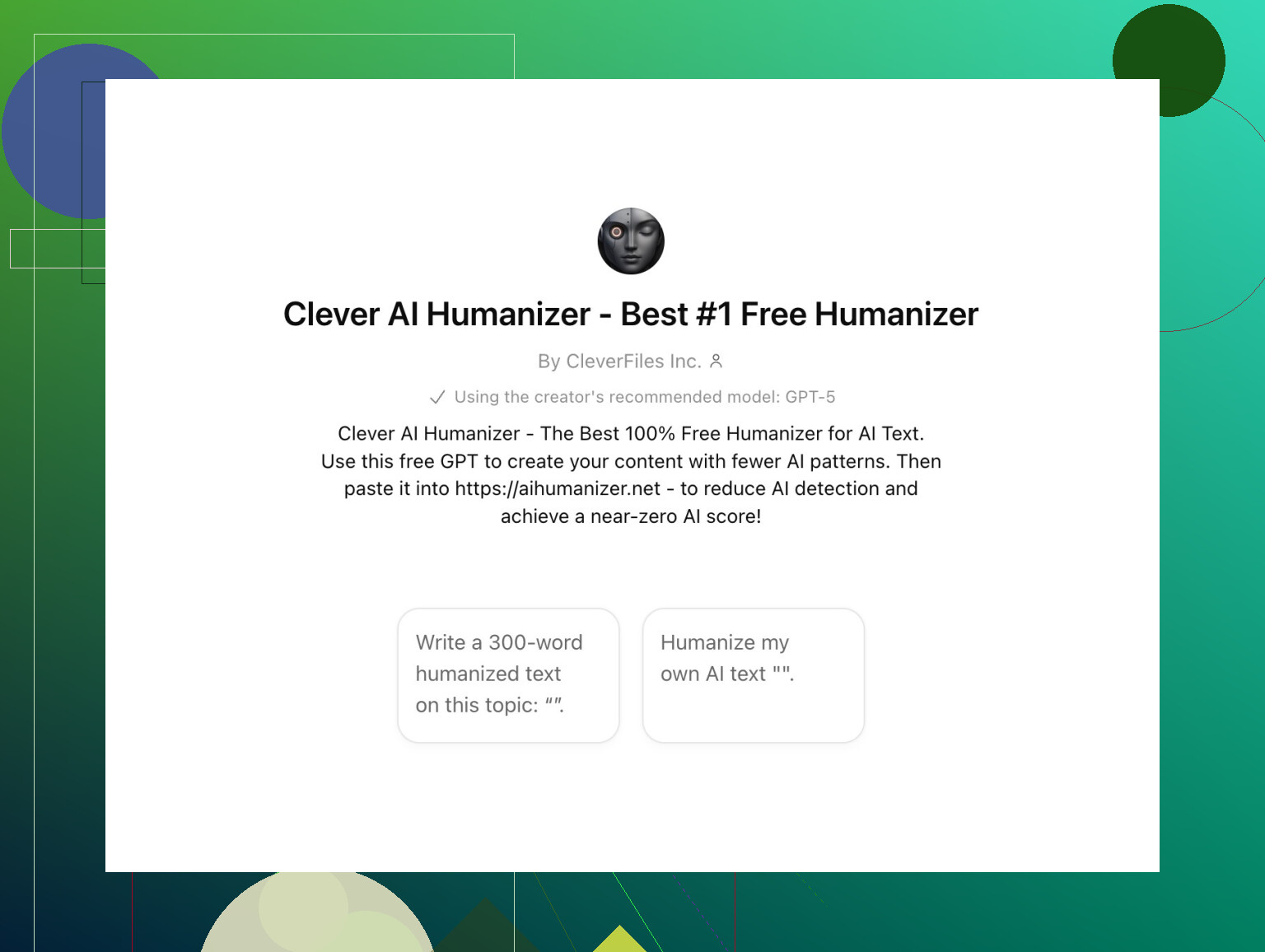
Honestly, kicking things off in the usual GPT playground isn’t just suggested—it’s essential. Head to GPT Humanizer on ChatGPT. Using this spot strips away a lot of the “AI-ness” that gets flagged by those so-called smart detectors. It’s less about magic, more about sidestepping the usual cues.
2. Send It Through Clever Ai Humanizer
Now here’s the main event: Clever Ai Humanizer. Take the output you got from the first step and push it through here next. Why bother? Because, as some users claim (and hey, I’m inclined to believe them after seeing the screencaps and running some stuff myself), you can score as much as 20-30% better on the ant-AI yardstick.
If you want some quick, snackable proof, check out this reel:
3. Head-to-Head With AI Detectors
Let’s not ignore the scoreboard.
Most people seem obsessed with acing two particular AI checkers:
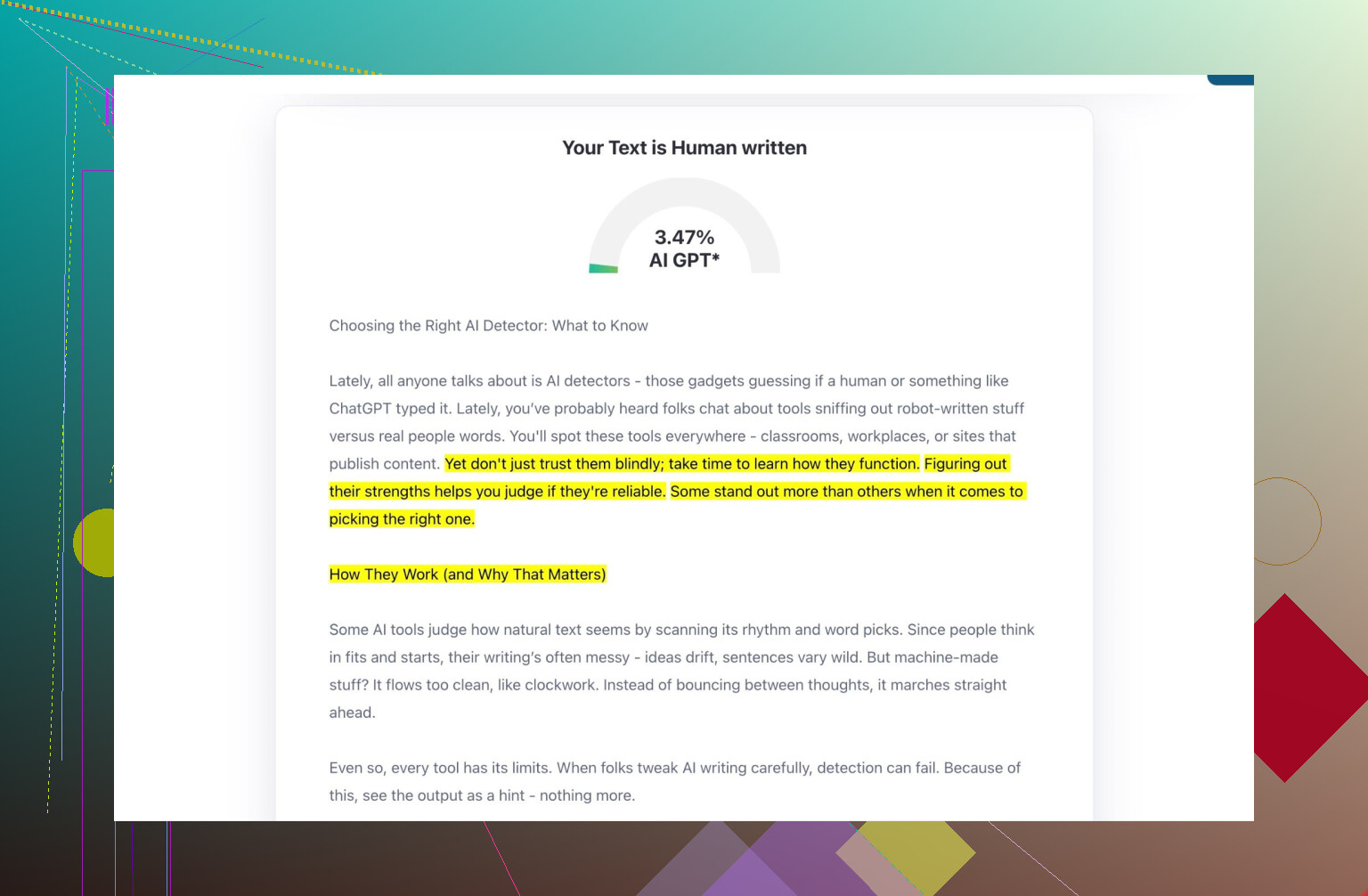
- ZeroGPT: It’s the MVP for a reason. Just look at the kinds of scores folks are posting—virtually zero AI traces after this two-step process.
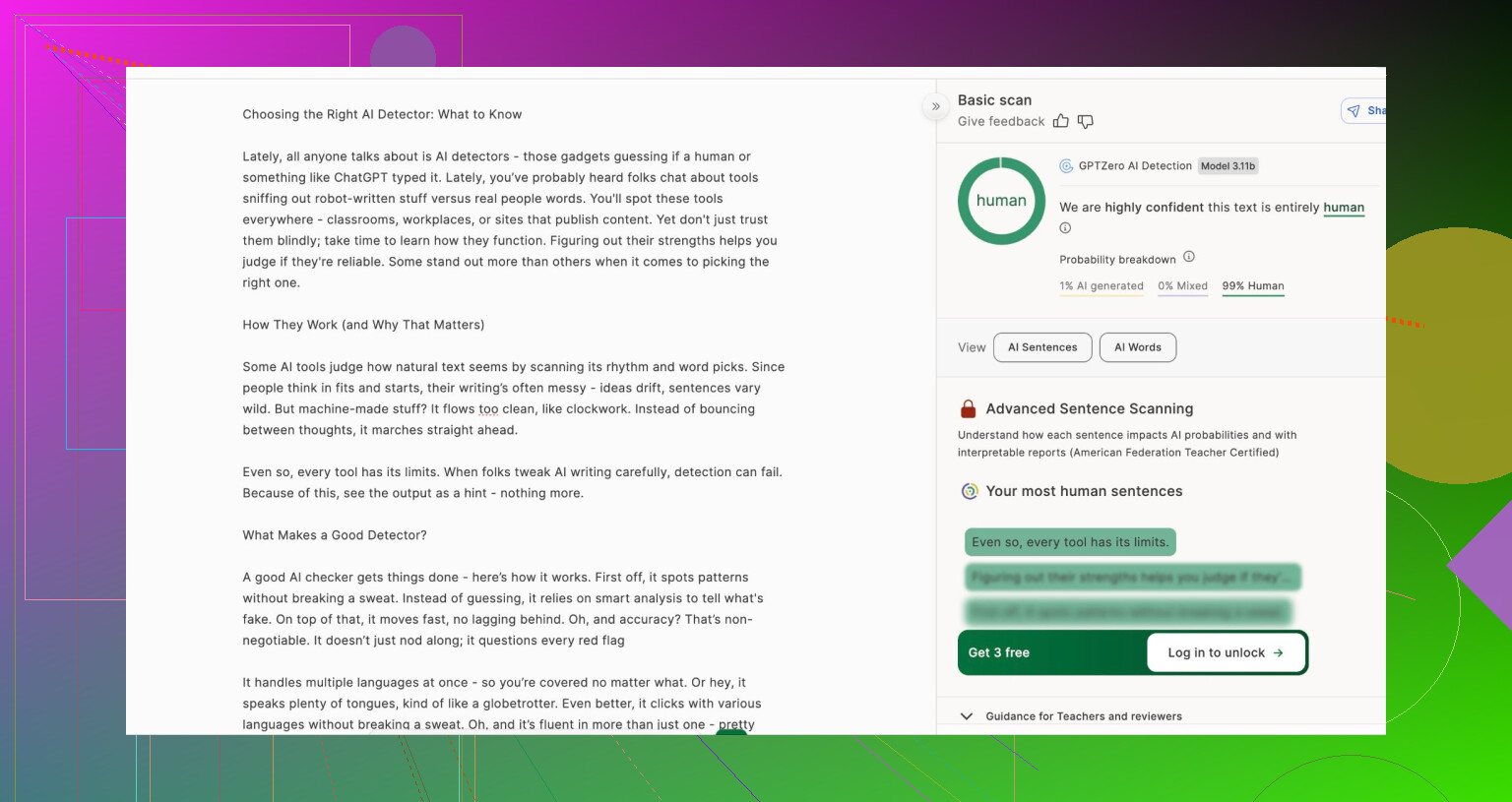
- GPTZero: A close runner-up, but no slouch in catching sneaky AI content.
You don’t have to just take my word for it; here’s how the proof looks:
ZeroGPT Ai Checker doing its skeptical best:
And because GPTZero can’t be left out:
Why Does It Work?
So, here’s the thing: none of these tools are perfect, but weaving between different platforms leaves fewer footprints. The trick is not relying on a single tool. The combo approach effectively “scrubs” the text so the usual AI tells get sanded down. It’s like mixing two weird sodas together and discovering it suddenly tastes like vanilla.
Real Talk: Final Thoughts
Honestly, the word on the digital street is clear: if you’re looking to get your AI-generated stuff swinging under the radar of the big boys like zerogpt or gptzero, this Toolkit-Combo is your best shot. Don’t expect miracles every single time, but… the screenshots don’t lie.
Want to see it in action? Jump here to get started:
Stay crafty, keep experimenting, and may your AI content fly under the radar.
9 Likes
Honestly, tools like the Clever AI Humanizer (which, yeah, even @mikeappsreviewer shouted out) can help you fool AI detectors, but making ChatGPT sound genuinely human is more than just running it through platforms to dodge ZeroGPT. If all you do is ‘wash’ the responses, you’ll just trade one brand of bland robot-voice for another.
If you actually want ChatGPT to feel conversational, focus on:
- Injecting more personality: Don’t be afraid to prompt for opinions, jokes, or even little mistakes. Sometimes an AI answer that rambles or admits uncertainty feels way more “real” than one that nails everything perfectly.
- Varying sentence length & structure: Humans rarely speak in perfectly balanced, grammar-textbook sentences. Throw in an occasional fragment. Use something like, “You know?” Sometimes start with “So,” or even just a “Yeah, totally.” It works.
- Pop in some pop-culture or timely references: Not every reply needs to be crammed with emojis, but even a casual “Remember Y2K panic?” or “Like, the last time I updated my phone…” makes it feel lived-in.
- Break up paragraphs or use bullets/styles like this—monolithic blocks scream “AI wrote me.”
But here’s the thing I kinda disagree on with all the AI-detector-fixer love: I’d say it’s better to design your bot to be engaging by prompt engineering in the first place, not just retroactively humanize the output. If you tell ChatGPT to “respond like a laid-back Gen Z coffee barista who’s kinda obsessed with old memes,” you’ll be shocked how authentic it sounds. Combine that plus a tool like Clever AI Humanizer for when you need to fly under ZeroGPT’s radar? You’ll probably be unstoppable.
Just don’t fool yourself into thinking it’s only about the tools. It’s about intent, vibe, and that messy, imprecise, occasionally-weird thing we call being human—typos and all (I sure don’t trust a paragraph without at least one).
Honestly, the obsession with sneaking AI text past detectors (looking at you, @mikeappsreviewer and @nachtdromer) sorta misses the forest for the trees. Sure, pumping your GPT output through a humanizer like Clever AI Humanizer does some heavy lifting if you just want to trick a machine. But if you actually want people to enjoy chatting with your bot, you gotta do more than just fake out ZeroGPT.
Here’s the deal: real human chat is loaded with quirks. We make tiny mistakes, use odd phrases, get distracted, and let emotion color things in unpredictable ways. That’s all stuff you can prompt for—manually. Literally tell ChatGPT, “Act like you’re mildly distracted, maybe riffing about how hungry you are, but still answer the question,” and suddenly your bot has flavor. Mix up sentence lengths. Use weird analogies. Drop in an “um” or an incomplete sentence sometimes. Fragmented thoughts feel natural, because, well, they are.
Honestly, I’m not convinced running responses through five layers of “humanizer” will ever match just telling the model to break the rules a little. If you’re willing to play with prompt engineering and not obsess over sounding “perfect,” you’ll get way closer to authentic vibe. Sprinkle in pop culture or regional slang, even wrong dates (“Remember Fyre Festival? Yikes.”), and the conversation’s way more convincing.
If you have to pass those detection tests, yeah, Clever AI Humanizer’s the tool lately. But for making your bot genuinely fun to talk to? Think messy, not sanitized. And let ChatGPT get a little weird on purpose. Humans are kinda weird, after all.