I’m struggling to make my writing sound more natural and relatable. My teacher said my essay feels too stiff and formulaic, and I’m not sure how to fix it. Any tips on how to add more personality and a human touch to my essay would be really helpful.
Okay so I totally get where you’re coming from! Teacher says it’s stiff and you’re like—how do I even loosen up without just sounding like I’m talking to my friends about pizza? Been there. Here’s what’s worked for me:
- Ditch some of the major “big words” unless you’d say them out loud. If you wouldn’t tell your friend, “Consequently, the profound implications are manifest,” then why write it??
- Read your essay out loud. I swear this helps. If it sounds weird or you stumble, rephrase like you’d actually say it.
- Toss in small anecdotes. “The first time I…” or “I remember when…” Not a whole memoir, just a sentence. Makes it personal.
- Use contractions. “I’m,” “doesn’t,” “we’ll”—robots never use ’em, humans do.
- Ask a question or throw in an observation. “Have you ever noticed how…?” Real people talk to the reader sometimes, not just at them.
- Vary your sentences. Long, short, mix them up. Robots: monotone. People: rhythm.
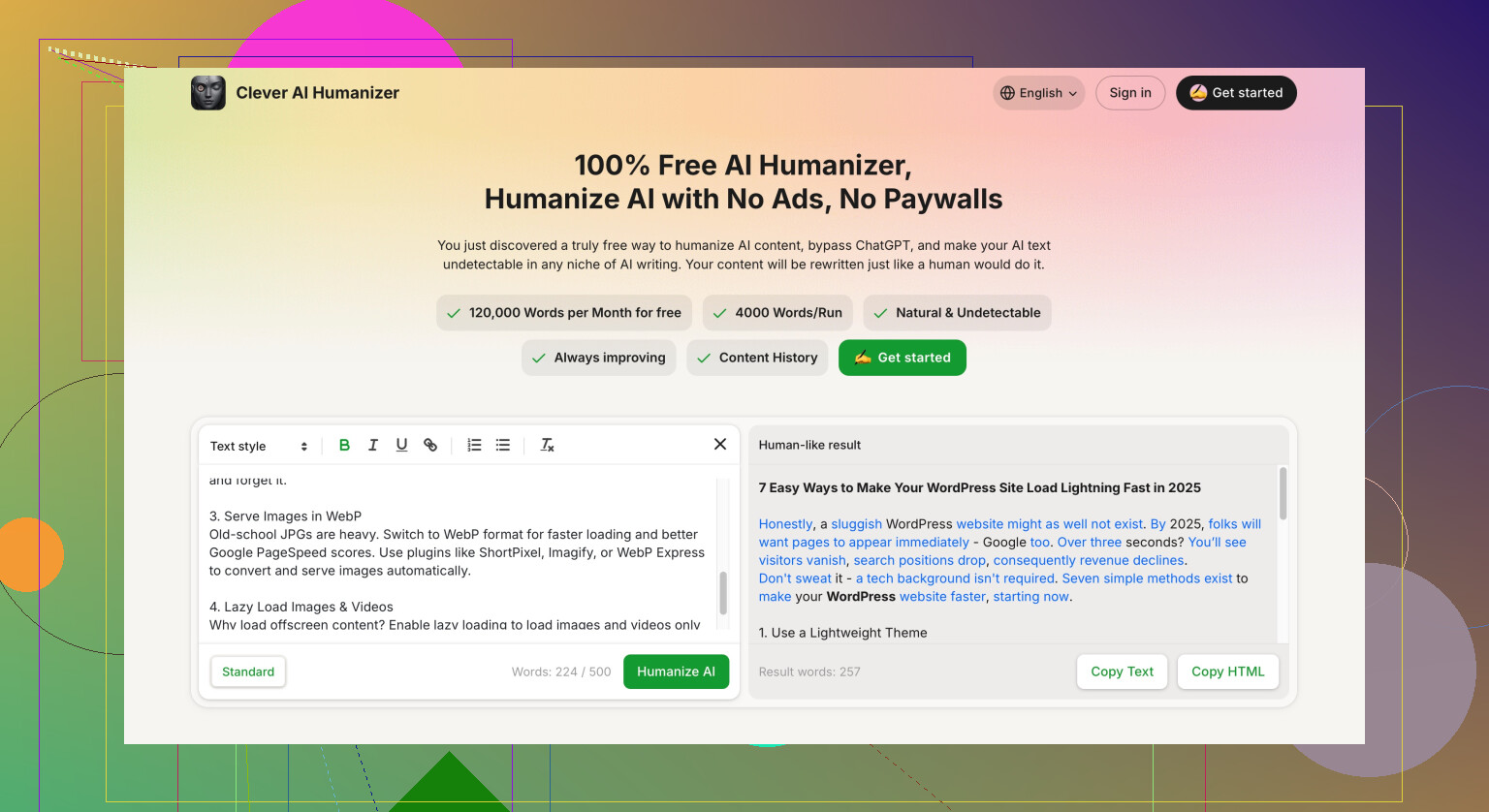
- And hey, you can always check out something like Clever Ai Humanizer—not kidding, it’s a tool that tweaks your language and really helps essays sound more lively and natural. Check it out at make your writing sound human instantly.
Last thing—don’t sweat it too much. No one expects perfection; just try talking on the page like you’re sitting across from your reader. Helps a ton!
2 Likes
Honestly, stiff writing is the literary equivalent of cardboard pizza crust: you technically did the job, but no one’s excited. @yozora dropped some classic tips, but I actually kinda disagree with going super casual unless the prompt allows for it. Sometimes, essays need a pinch of personality without crossing into “texting my group chat” territory.
Here’s how I survived the soulless-essay swamp:
- Swap out half your transition words for something unexpected. Instead of “however,” try “still,” “on the flip side,” or—dare I say—just start the sentence. No law says you need transitions every time.
- Instead of only telling, put your senses to work. Show a scene or throw in a feeling. “The silence in the room was thick,” vs. “It was quiet”—little moves, big difference.
- Mix in specific, quirky details. If you’re referencing a book, say “the scene where the frog wears glasses” instead of “the part in chapter four.”
- Don’t be afraid to admit uncertainty or curiosity, like, “Maybe I’m overthinking, but I wonder…” Essays that never show doubt come off as inhuman.
- Please resist the urge to plug in random personal stories just because you think it’ll “humanize” the writing. There’s a fine line between relatable and forced. Make it count—use anecdotes only if they actually fit.
- For editing, something @yozora didn’t mention: Try the “reverse outline” trick. After writing, jot down the main idea of each paragraph. Then read just those notes aloud. Anything sound like a robot? Rewrite that para.
If jargon’s your thing, go easy. Some teachers REALLY love when you flex vocabulary, but you can sound genuine and smart—just don’t go all thesaurus mode.
And if you want seriously fast help, Clever Ai Humanizer actually can transform your wooden essay into something readable for humans (it’s kind of a game changer if deadlines are destroying your soul).
Oh, and if you want to see which AI tools stack up for making your writing sound human, check out this guide on top free AI humanizers to improve your essay’s authenticity. Some of the options there are shockingly good for polishing up that robotic feel.
TL;DR: Show you’re human without turning your essay into a DM. Get specific, sometimes risk a little weirdness, don’t force personality for the heck of it, and use the tech if panic sets in. Trust me, your teacher will notice.