The biggest mistake with AI detectors is treating a confident percentage as proof of authorship. My checks gave me reasons not to: human writing attracted strong AI verdicts, while generated writing sometimes passed cleanly. Confidence, probability, and estimated AI share aren’t interchangeable.
On October 2–3, 2026, I submitted six unchanged English passages wherever access allowed: four generated pieces, a Lewis Carroll excerpt, and that excerpt lightly edited by AI. Their lengths were 271–328 words. Some were related, so this wasn’t a broad benchmark.
I checked the mistakes before trusting the successes
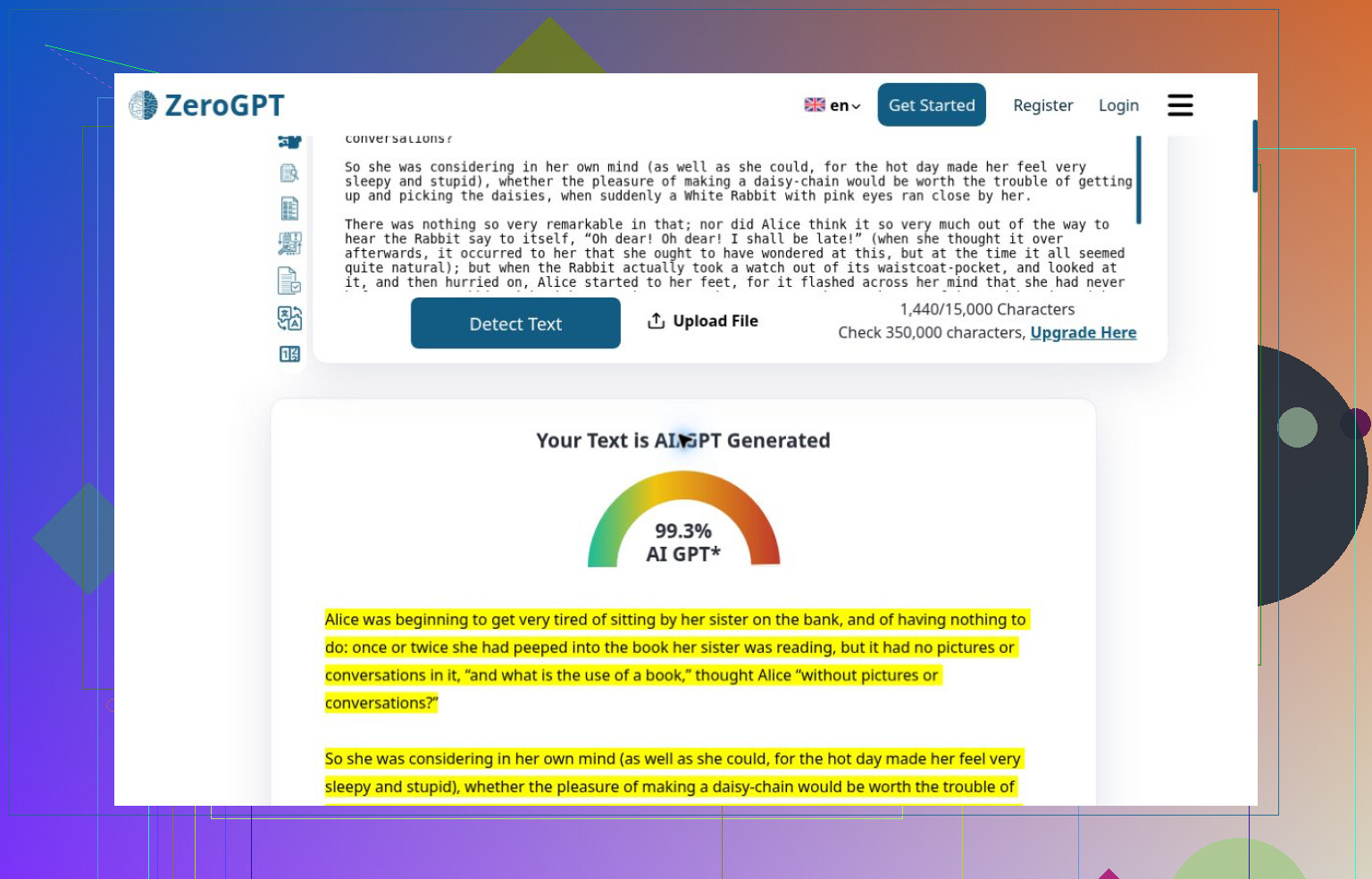
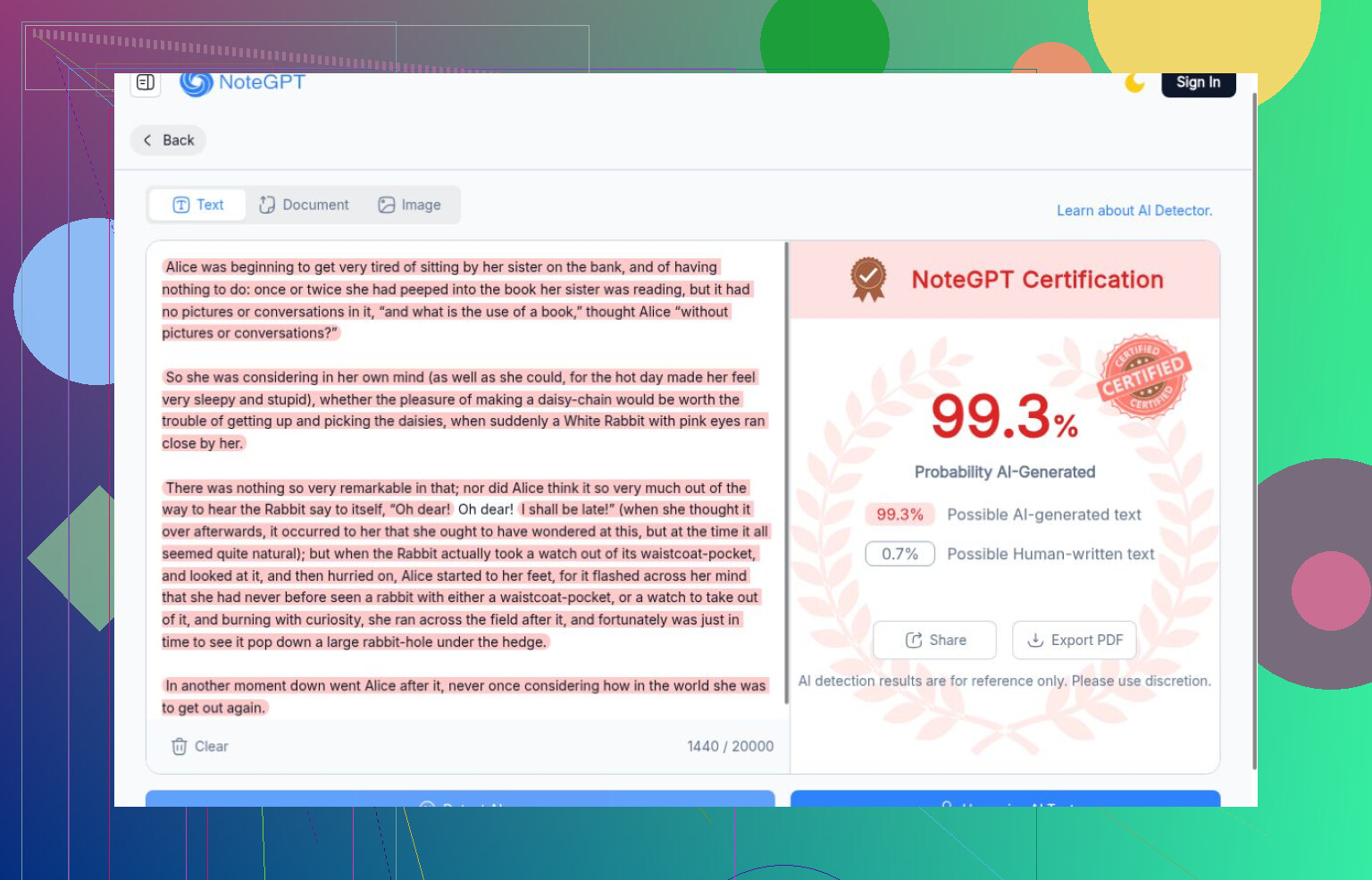
ZeroGPT caught every generated passage but called Carroll 99.3% AI, above its scores for the actual AI writing. NoteGPT also gave Carroll its strongest AI score. Matching numbers don’t establish shared technology.
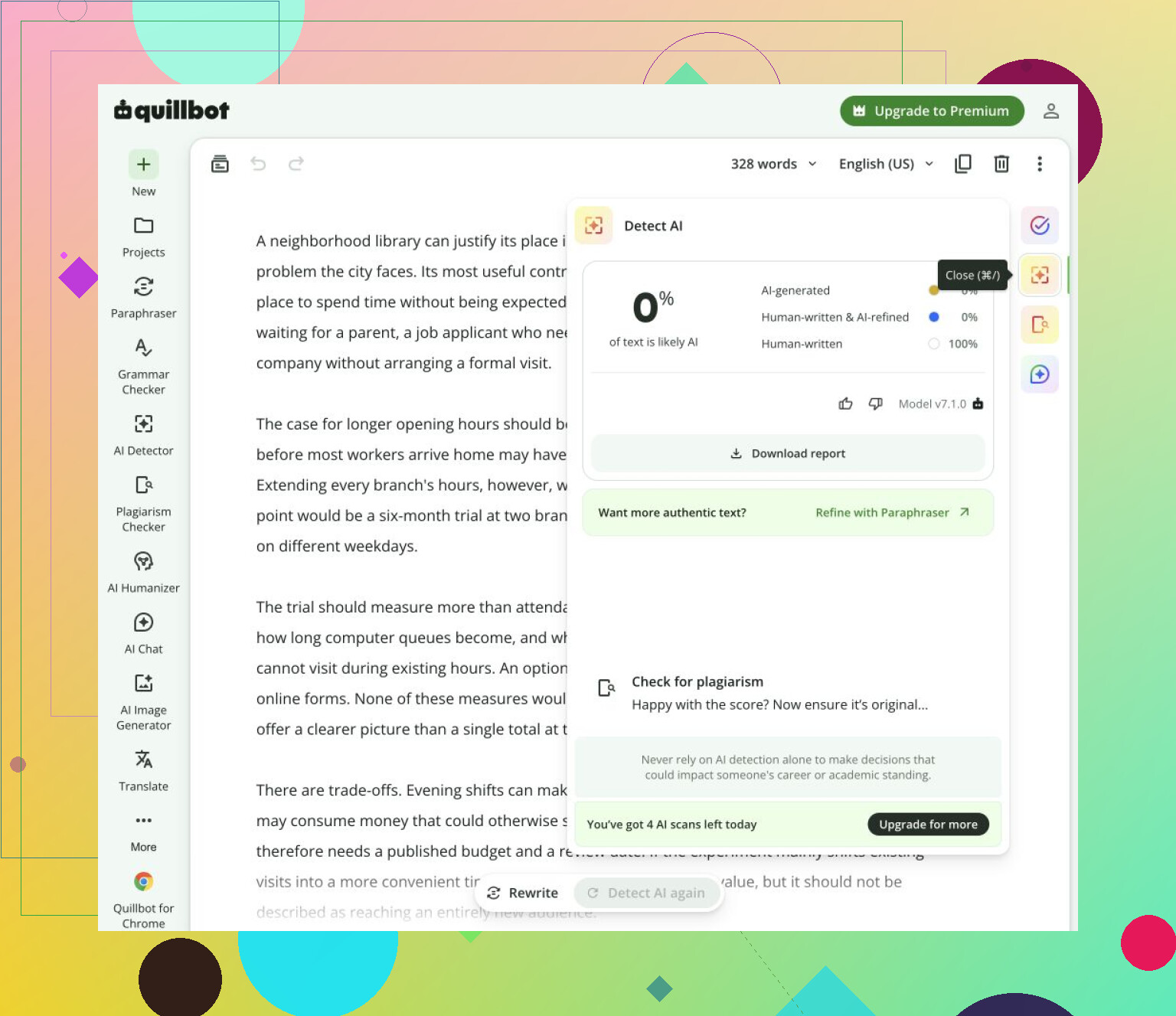
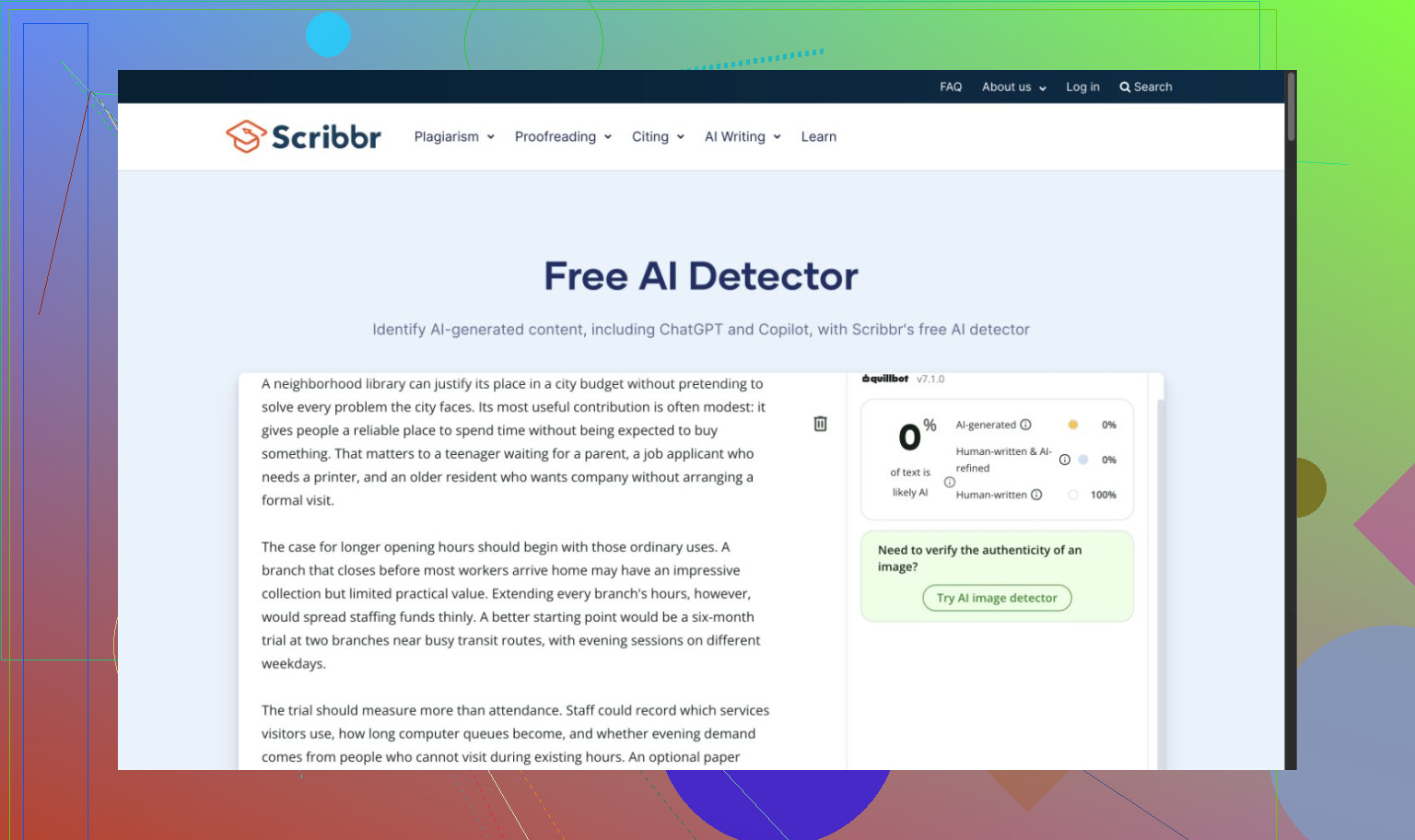
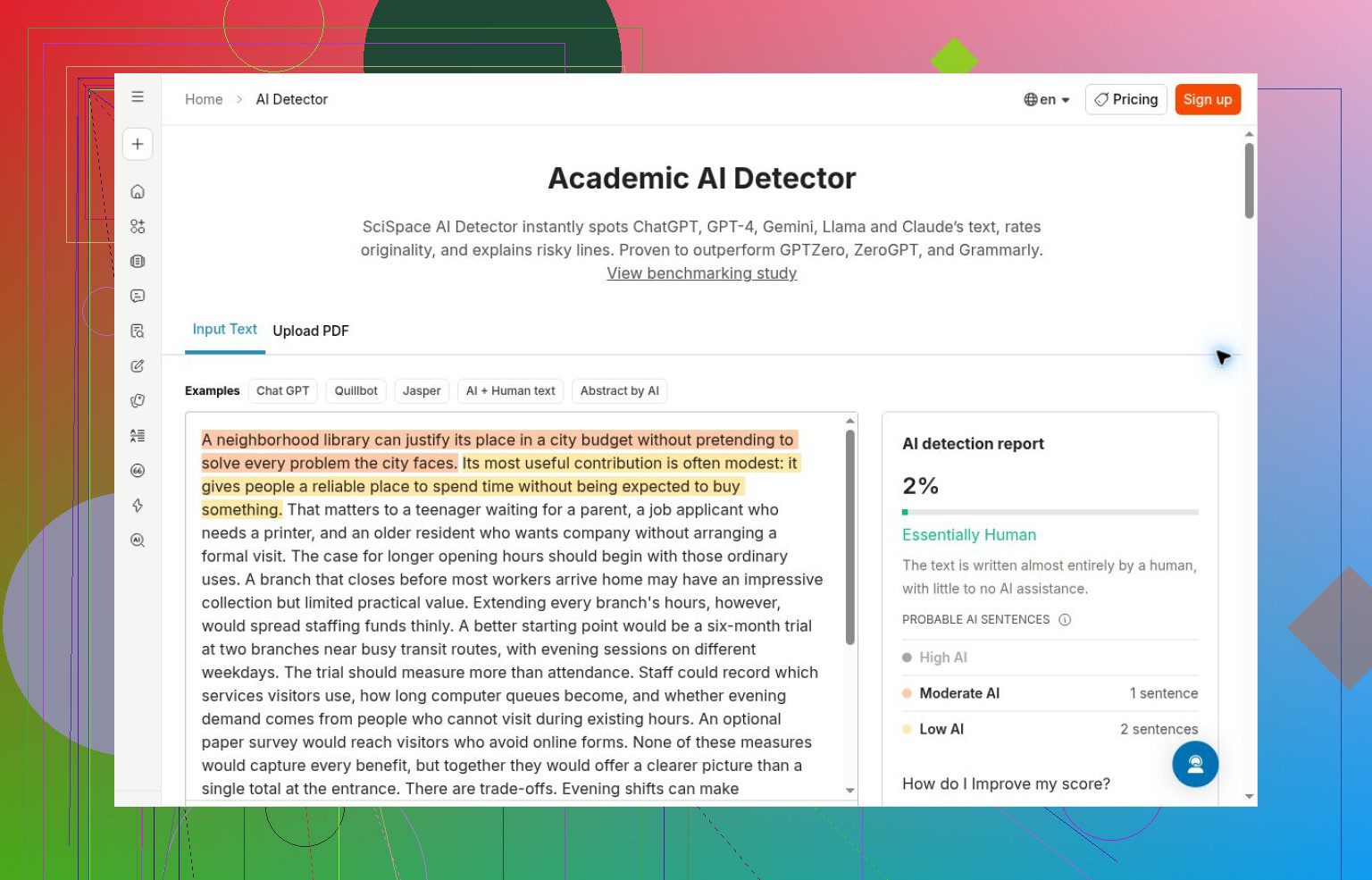
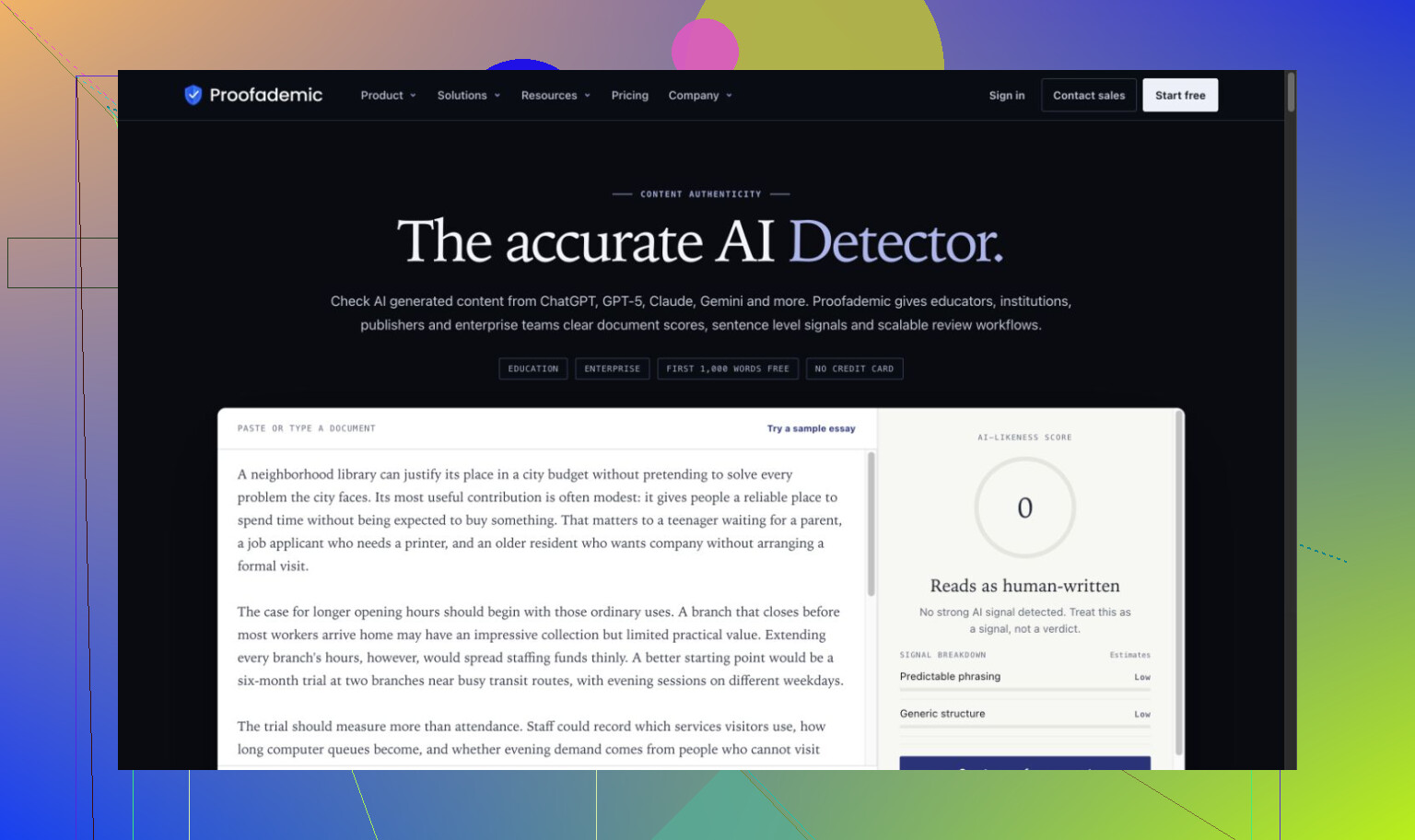
The opposite error wasn’t rare either. QuillBot called all generated passages 100% human-written. Scribbr missed the essay while accepting Carroll; its visible QuillBot branding made me reluctant to treat those as independent votes. SciSpace gave the generated essay 2% AI. Proofademic’s public demo gave both the essay and Carroll 0/100 AI-likeness. Surfer assigned 0% AI chance to the essay, story, and human excerpt.
I wouldn’t extend those findings to untested versions. Proofademic’s authenticated reports weren’t checked, for instance.
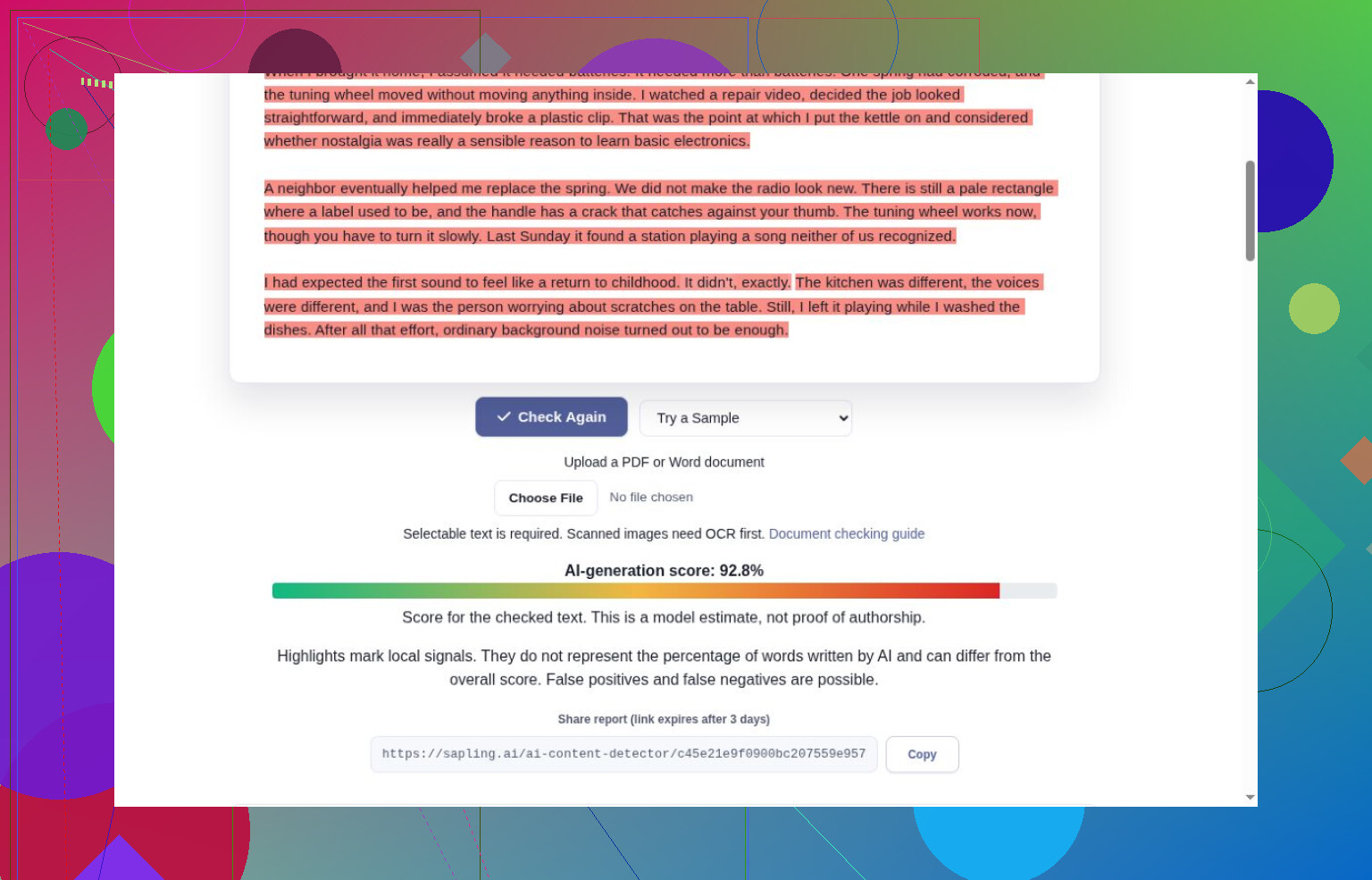
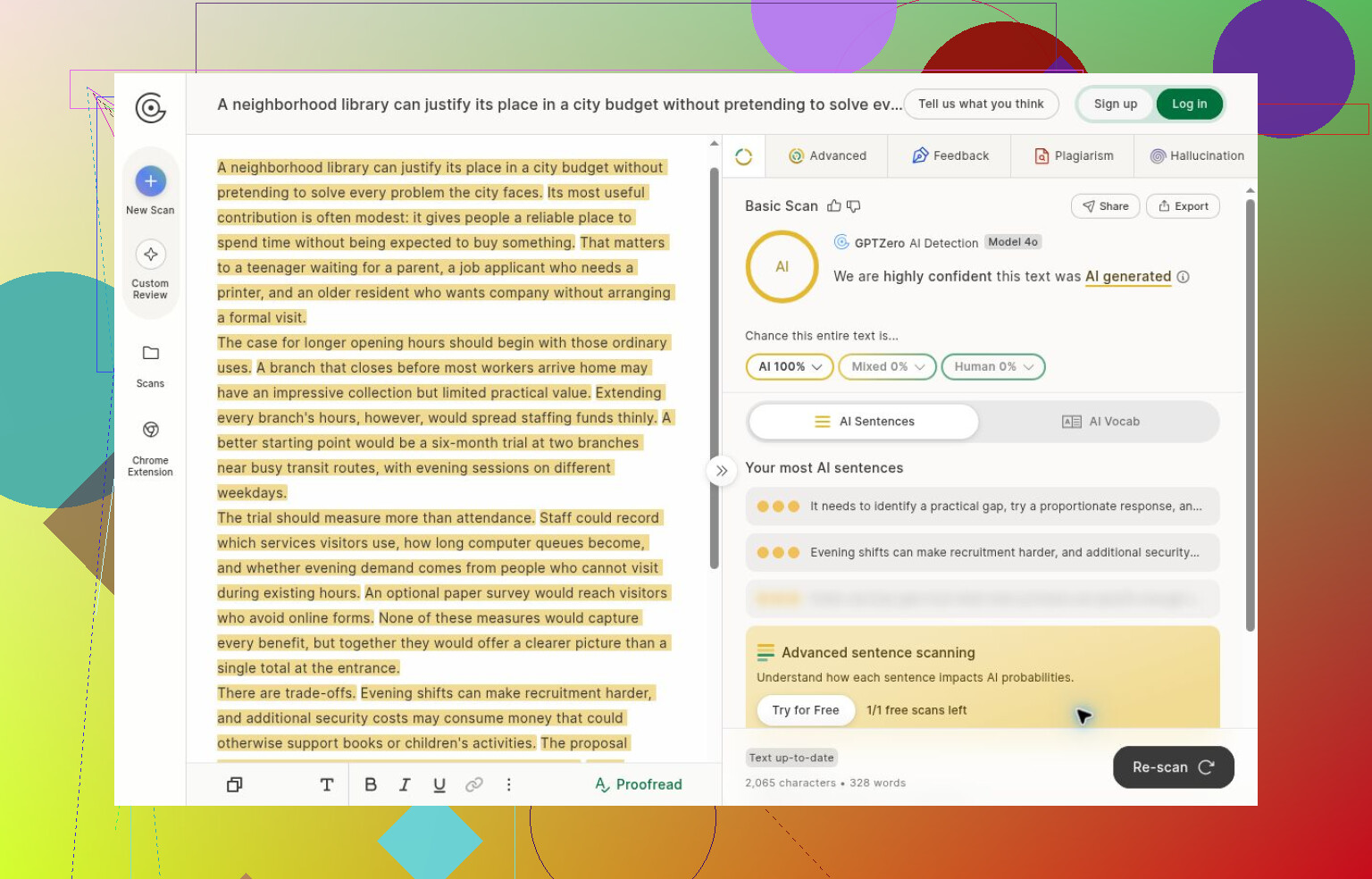
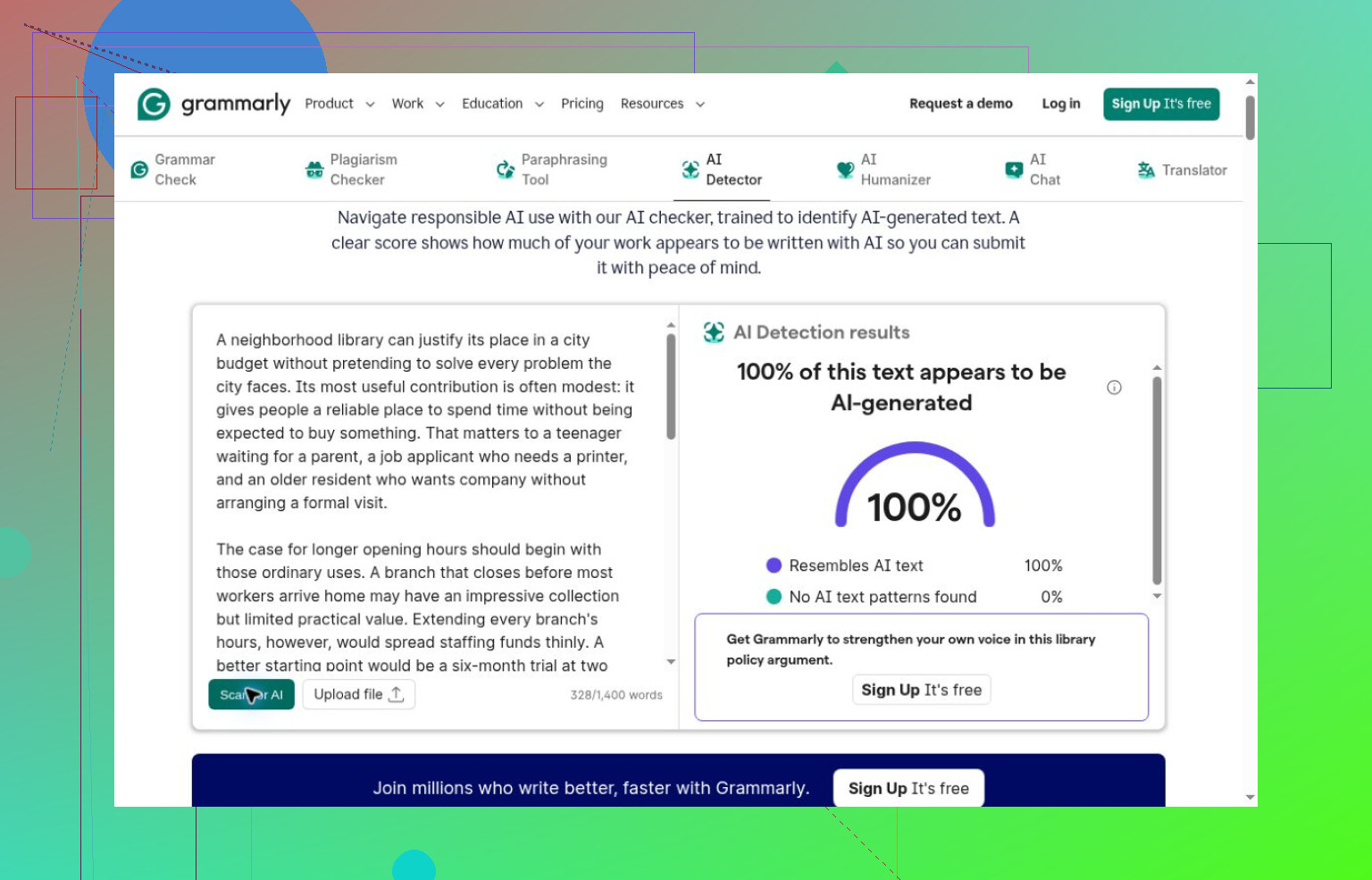
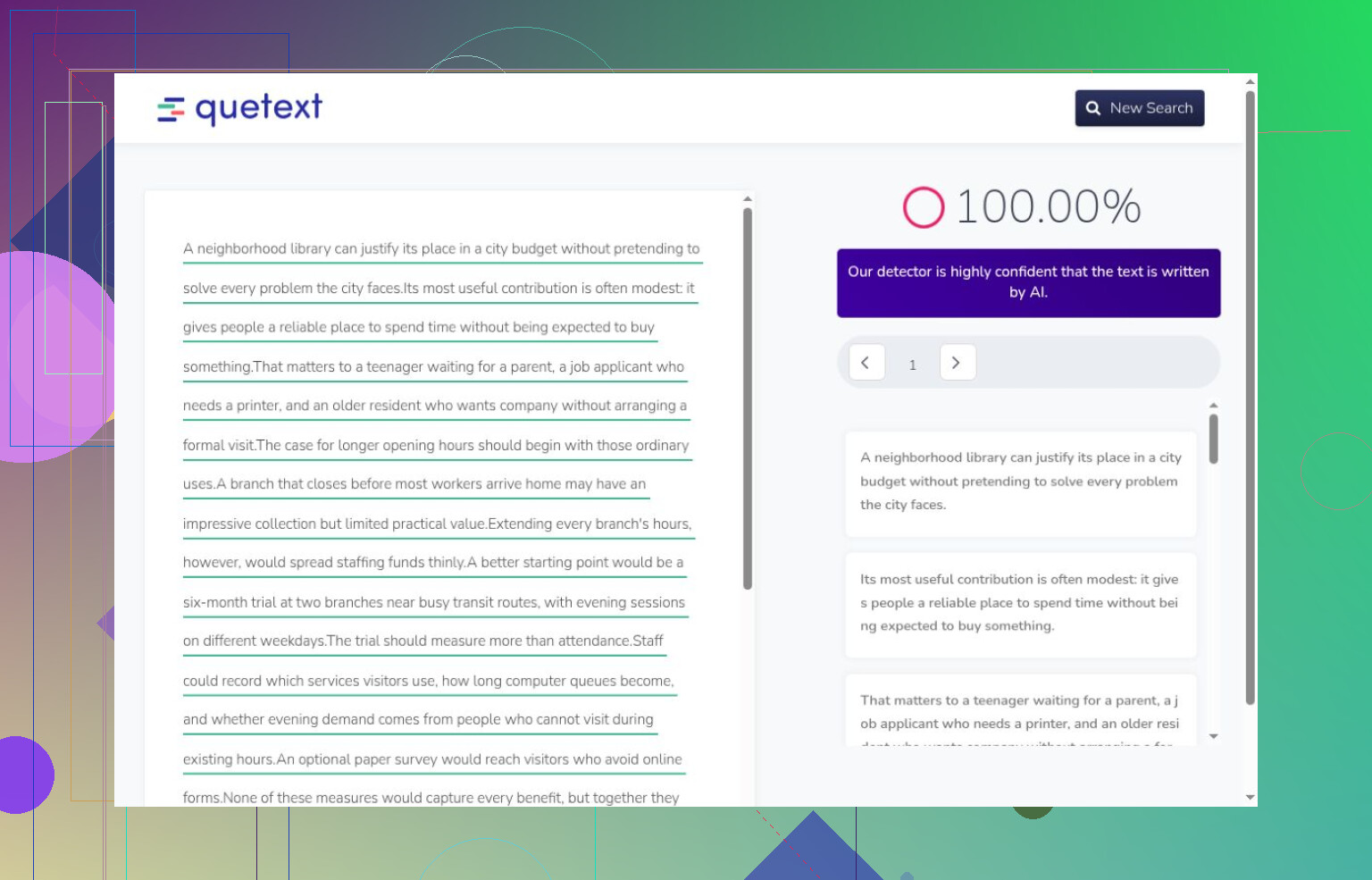
Successful detections needed qualifications too. Sapling checked only 2,000 of the essay’s 2,070 characters, although its complete story and human checks were right. GPTZero caught the generated inputs it processed, but an old score remained after I replaced the text. I didn’t count that as another result. Grammarly and Quetext caught the essay before signup blocked further checking, leaving false positives untested.
Access explains my preference, not a universal accuracy claim
For a guest check, I’d choose the Clever AI Detector tool. It completed the full set without payment or registration. Generated passages scored 89%, 84%, 82%, and 74%; Carroll got Human 99%. That’s useful evidence within this small sample, not validation of its advertised unlimited use. I couldn’t verify scale or maximum length.
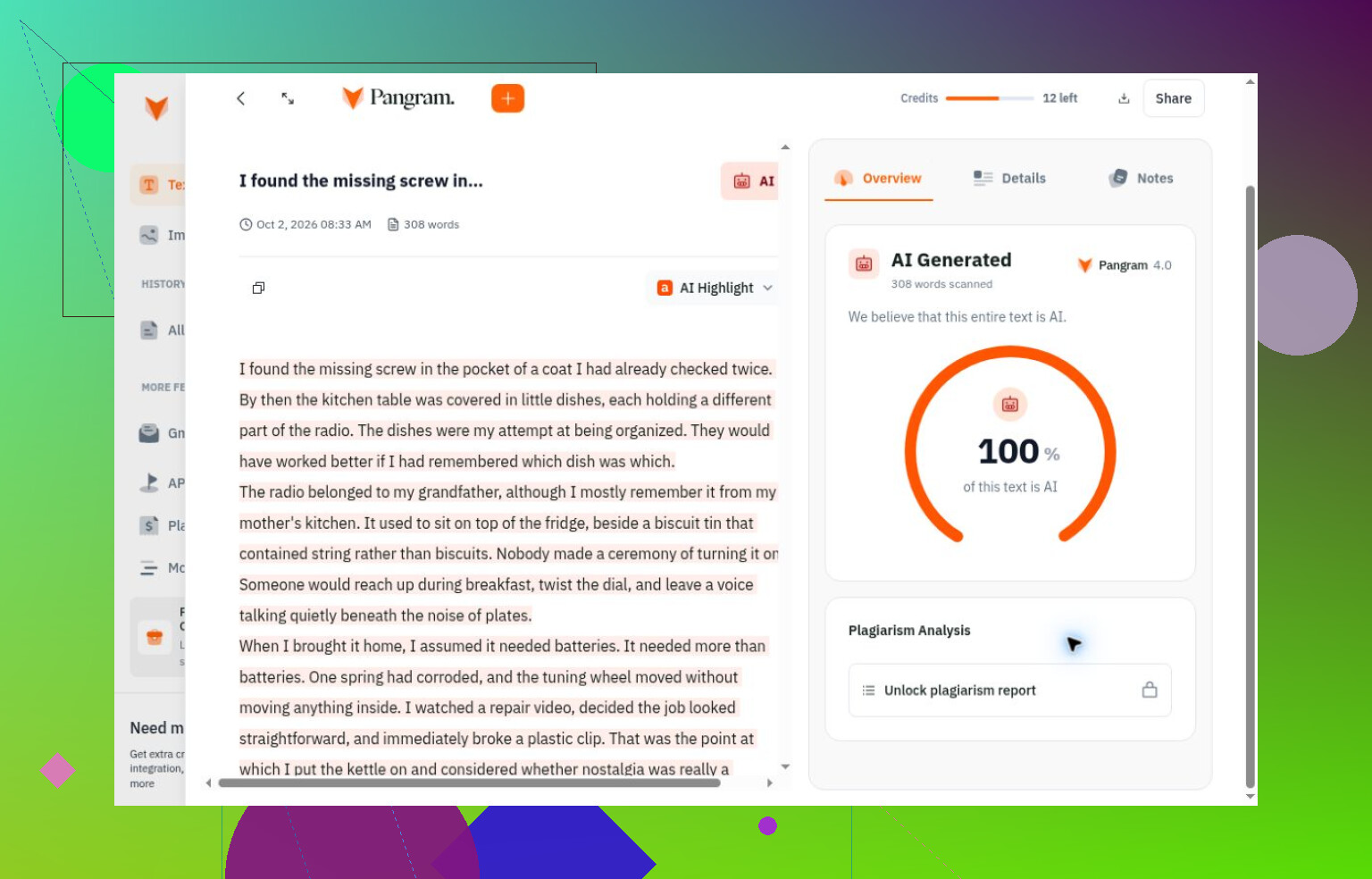
It also called the lightly edited excerpt Human 99%, and sentence colors and explanation tags sometimes disagreed with the headline. Pangram likewise treated the edited passage as human. Its completed AI and human checks were correct, but credits ran out.
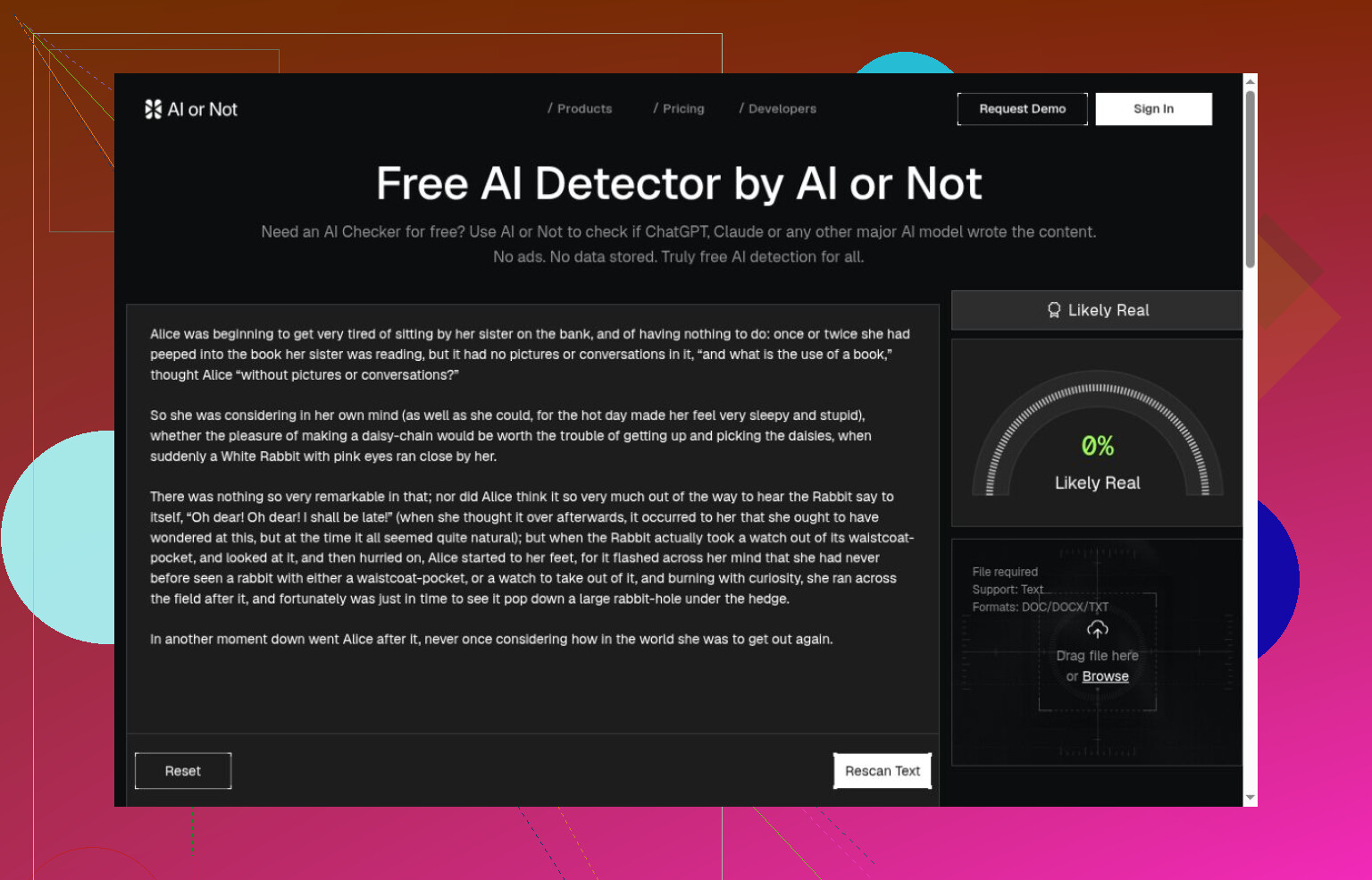
Originality.ai and AI or Not also got their completed AI and human checks right, with narrower coverage. Originality’s 15% AI Allowance matters: its confidence described a threshold-based verdict, not generated-word share.
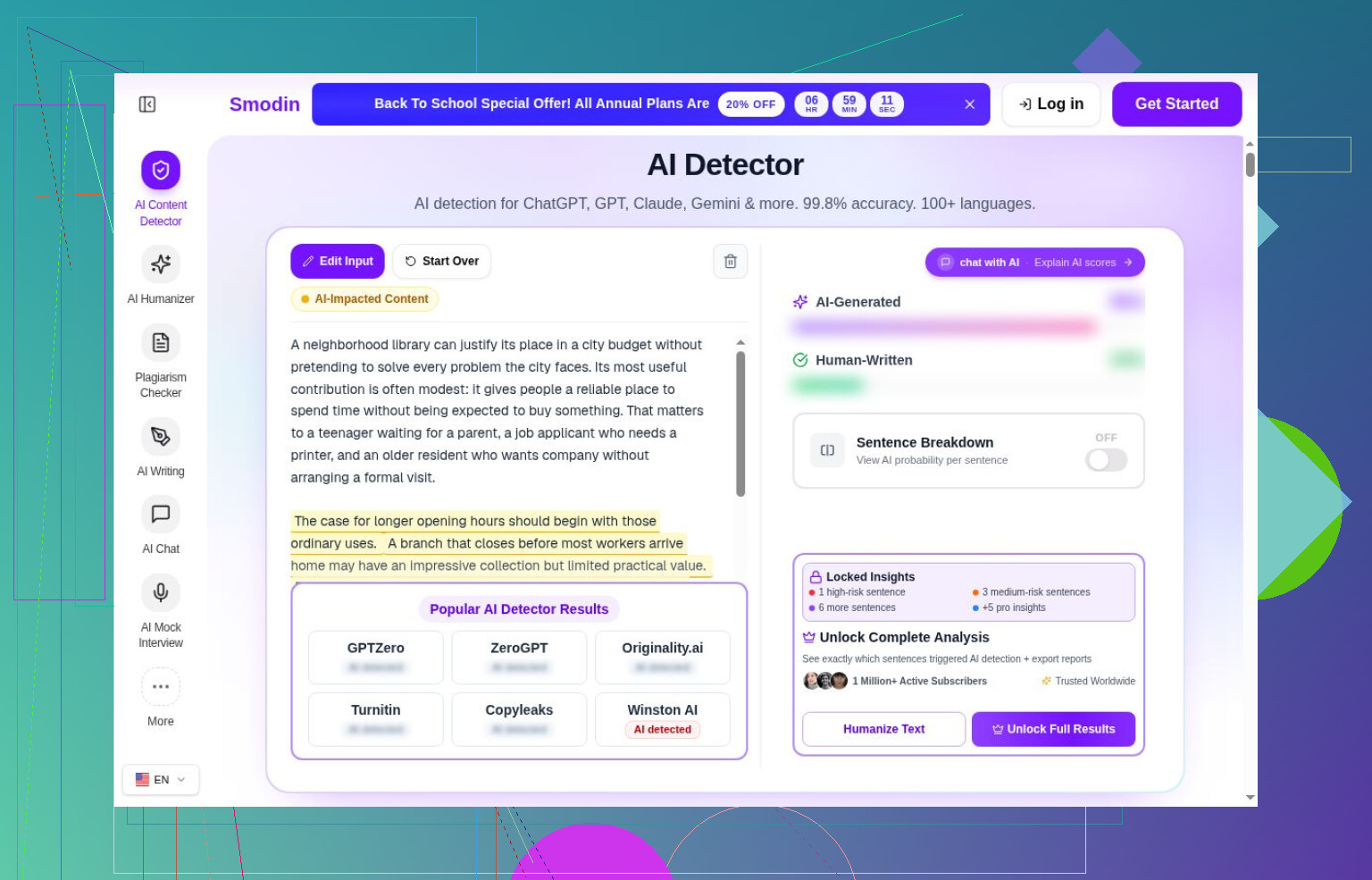
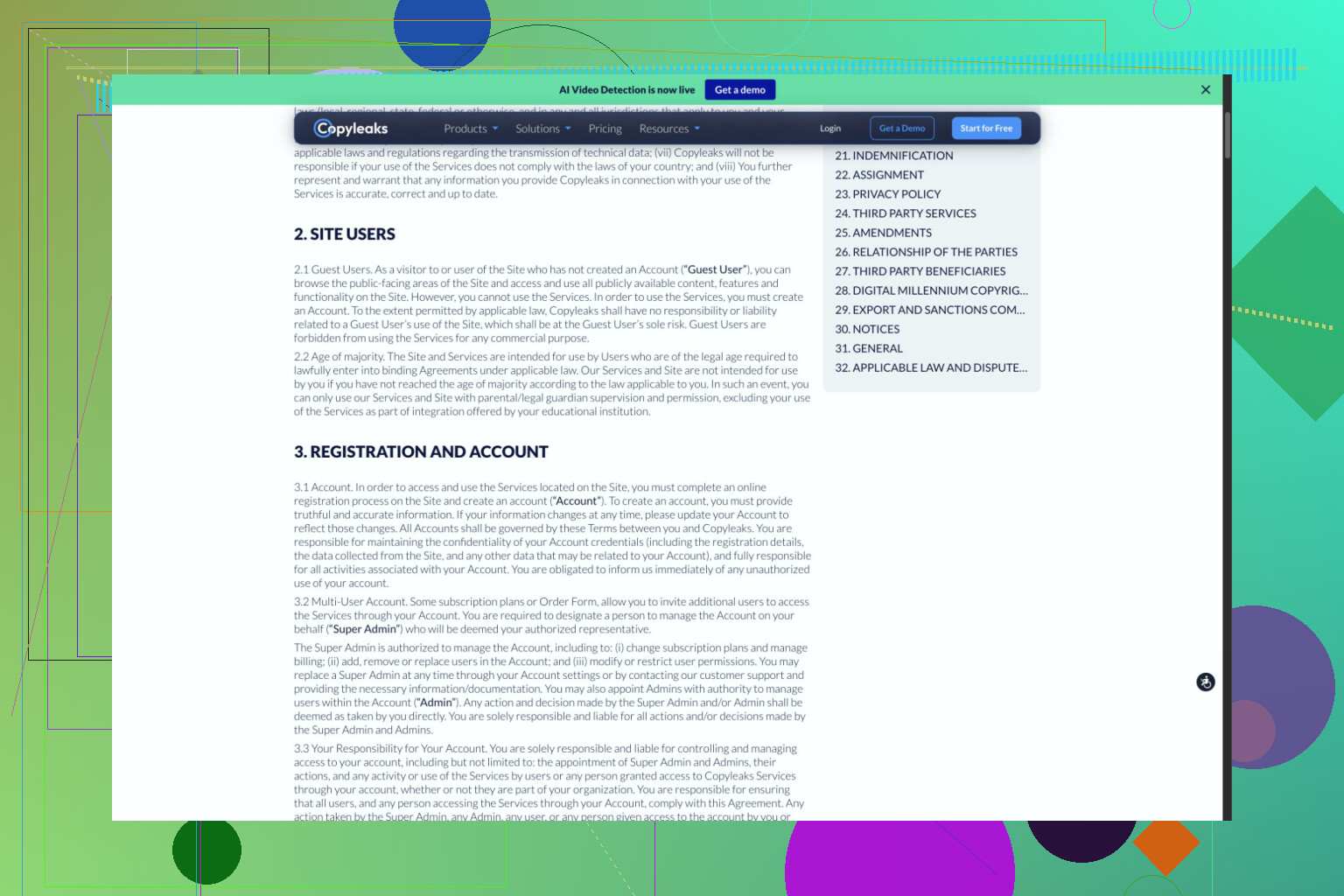
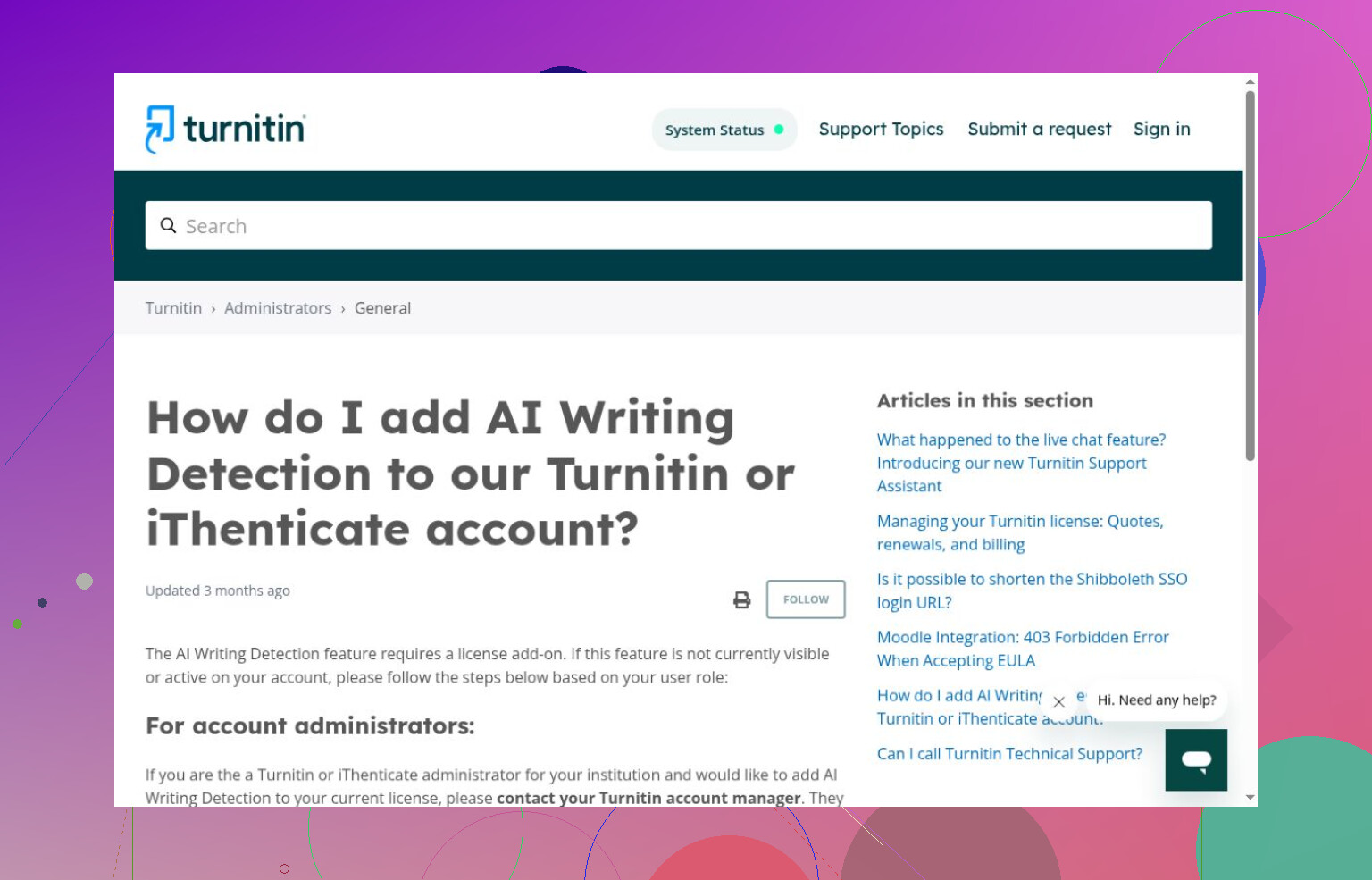
I kept access-only inspections separate. Decopy demanded login; Smodin hid its headline values. AI Detector Pro and Winston AI required registration, and I didn’t verify their advertised allowances. Copyleaks’ applicable-use terms stopped me, not a failed detection. Turnitin required institutional access I lacked.
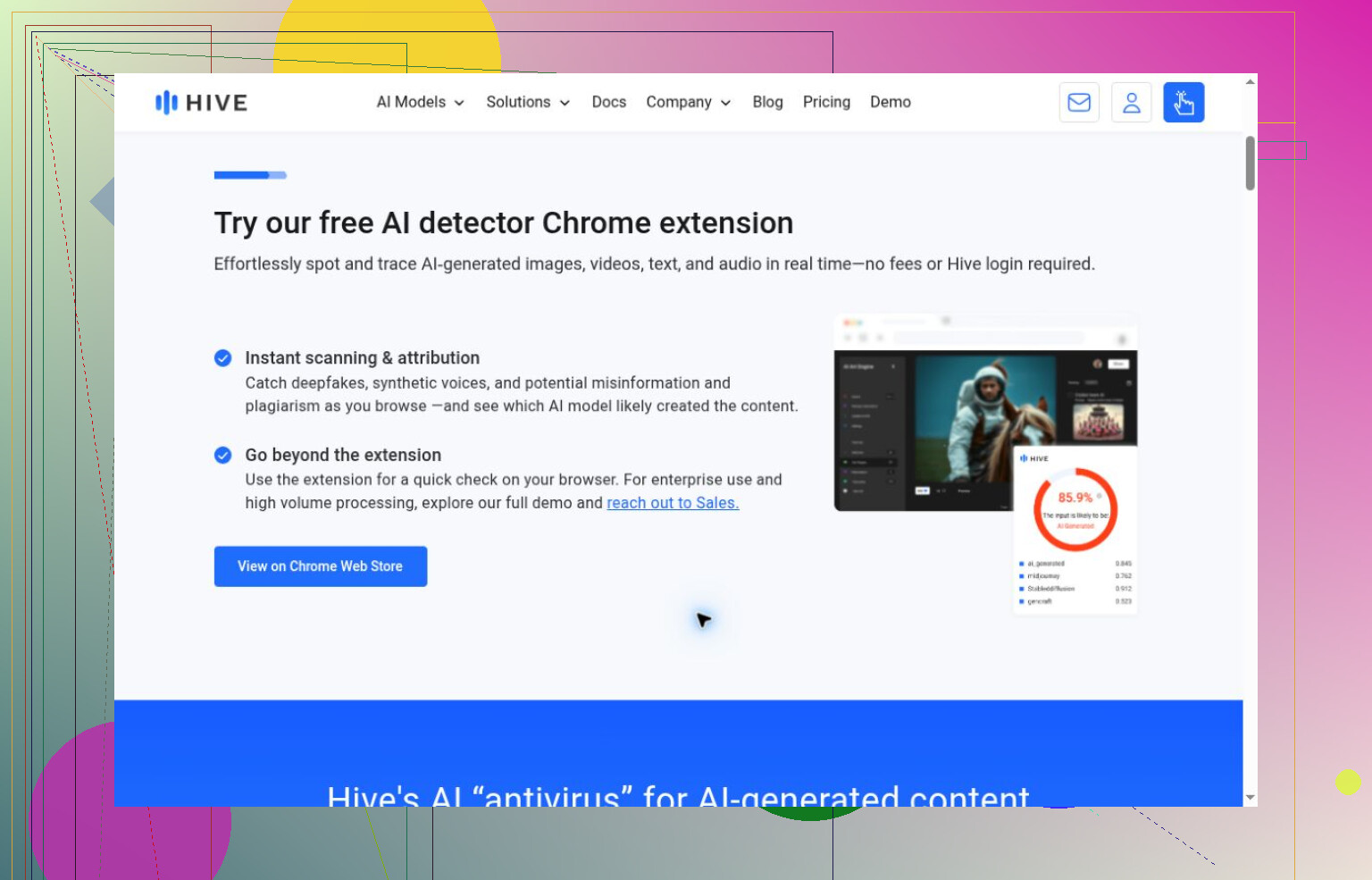
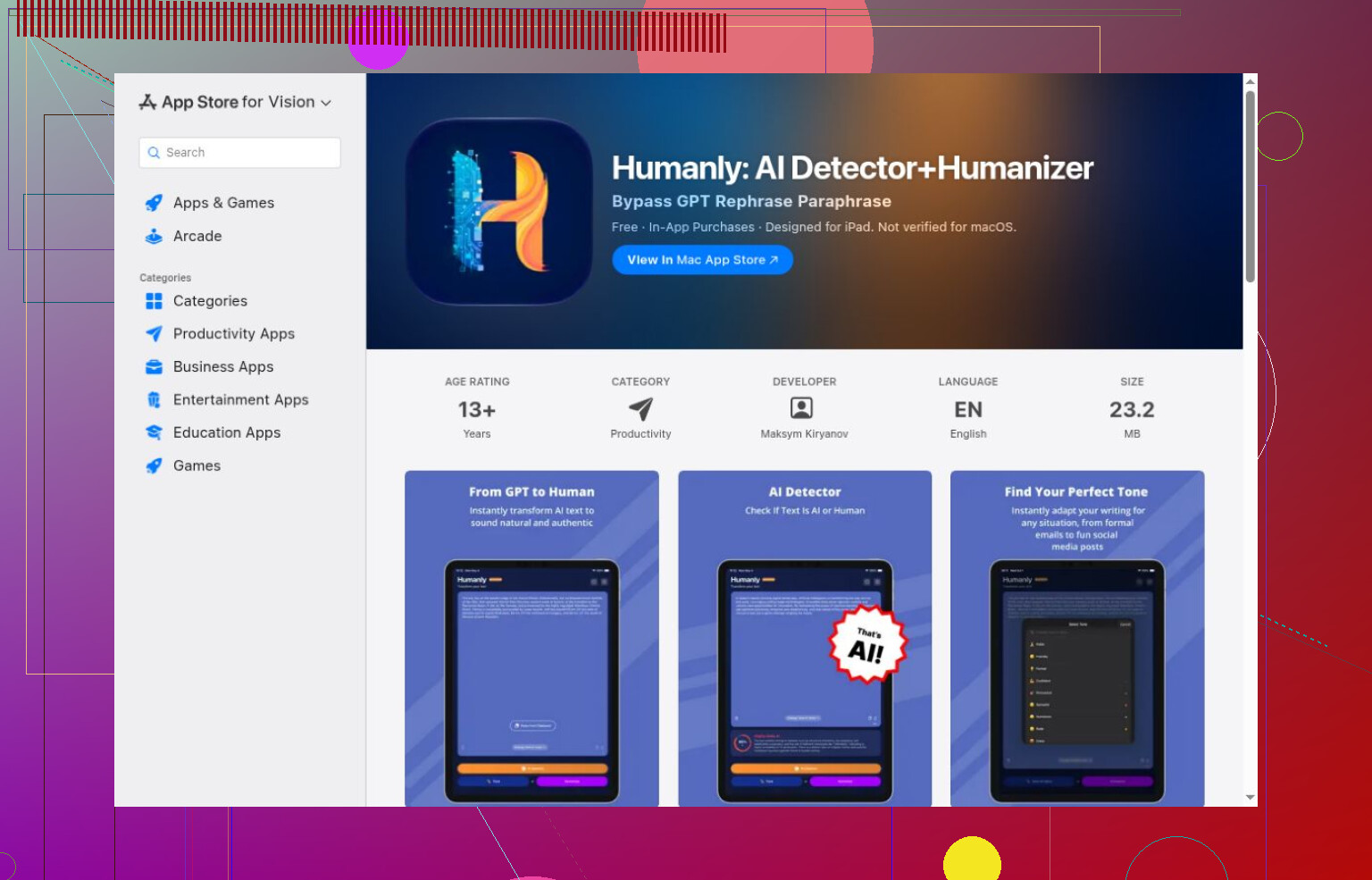
Hive offered text routes through an extension or API, while ContentDetector.AI redirected to a Moxby extension listing. I installed neither. Humanly’s store listing showed a free download and in-app purchases, but I couldn’t verify scanning allowances or detection quality.
I’d still investigate disagreements through drafts and sources rather than accuse someone from a score. What would change my mind is broader, independently repeatable testing across contemporary human writing, mixed authorship, and languages, including the paid workflows I didn’t test.