I want to look at documents stored on my OneDrive, but I don’t want or have space to download them to my computer. I’ve tried opening files on the web, but sometimes it still prompts me to download. Is there a way to preview or view OneDrive files directly online? Any help or tips would be appreciated.
Editing OneDrive Docs Straight From Finder or File Explorer – My Take
Okay, so picture this: you’re juggling four projects, your OneDrive is exploding with files, and your hard drive is already weeping. Downloading a 2GB media folder just to tweak a TXT? Nah. Instead, you fire up CloudMounter, hook in your OneDrive, and suddenly, everything just “shows up” in Finder or File Explorer. No more “downloading now, please wait,” just right-click, open, edit, and hit save. Instantly updates in the cloud—like magic, but without the risk of your laptop combusting.
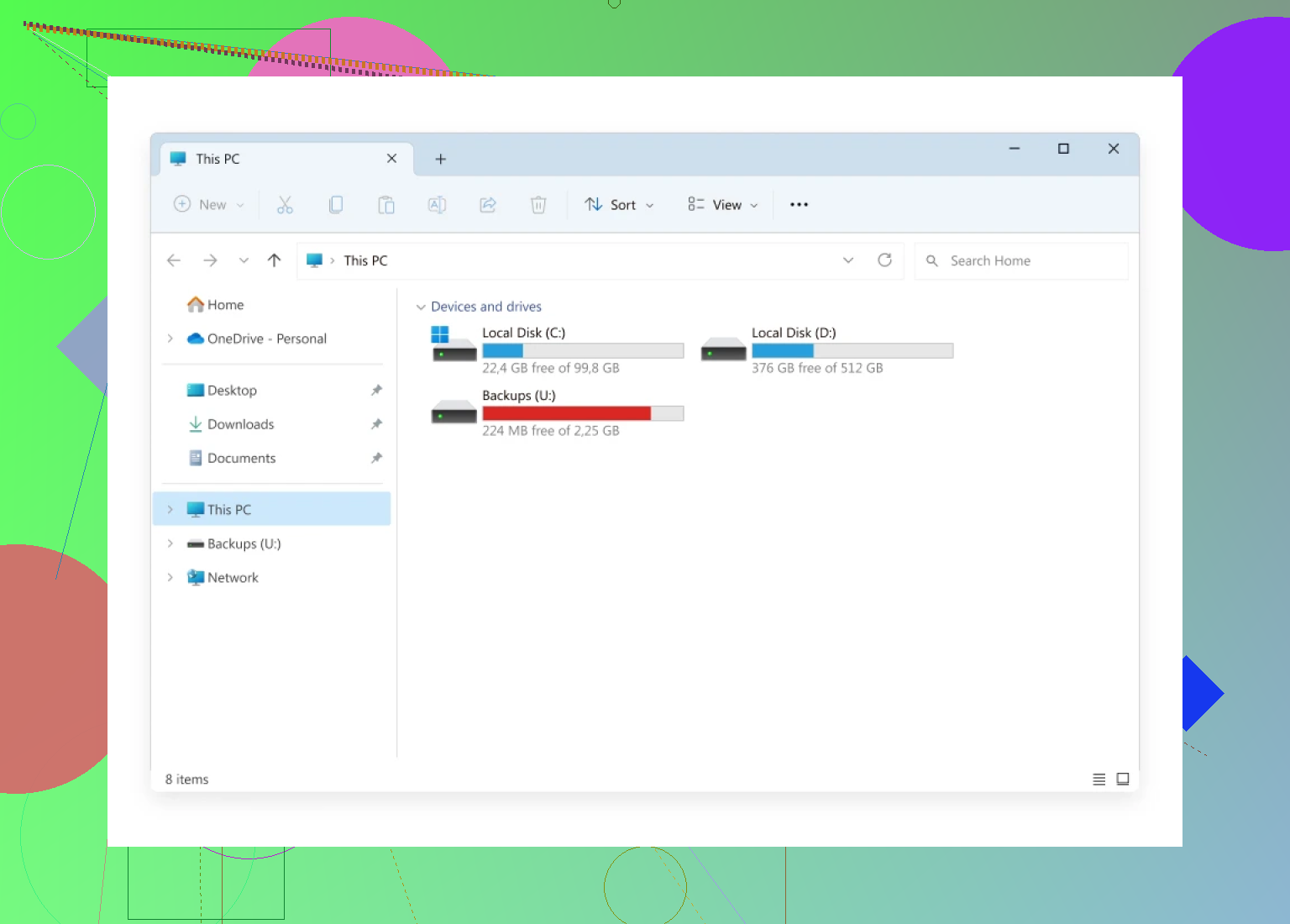
Living With CloudMounter—A Story of Fewer Headaches
So, here’s the real twist: I used to dread syncing huge folders or blowing past my SSD’s limits. But after connecting CloudMounter to my OneDrive, it almost feels like the storage is invisible. Open anything from Finder as if it’s a local file—Photoshop, Excel, even those weird .csv logs your boss loves. When you save, it just… updates in OneDrive. No download-slog, no clunky temp folders, no fuss.
What Makes CloudMounter Stand Out? (In Three Sentences)
- Mounts cloud storage as if it’s just another drive—no eating local space.
- Lets you drag, drop, rename, or move files like they’re already on your computer.
- Security’s not an afterthought—file encryption is baked in, not bolted on.
A Few Perks That Change the Game
- No need to install the native OneDrive app or endure clunky browser UIs.
- Multitask with multiple cloud accounts in one window—imagine handling Dropbox, Google Drive, and OneDrive at the same time.
- Works system-wide, so third-party apps can pull files direct from your cloud stash.
- Stays light—doesn’t gobble up RAM or throttle your machine.
TL;DR
If you’re tired of syncing your whole life to use a single file, or if you just want to keep that trusty SSD squeaky clean, CloudMounter is honestly worth a test drive. Open, edit, and save cloud files in Finder or Explorer like they were always there. That’s the kind of “invisible tech” that makes Mondays slightly less painful.
23 Likes
Absolutely possible, but it’s a little trickier in practice than you’d think, mostly because Microsoft really wants you to use their apps or sync tool. If you’re on the web, in theory, docs like Word, Excel, and PowerPoint open in the browser with zero downloads. The gotcha comes with file types MS doesn’t love—think PDFs, ZIPs, anything non-Office—where the browser stubbornly pushes you to download. Annoying? Yup.
@Mikeappsreviewer is all in on CloudMounter, and I get it—mounting OneDrive as a virtual drive is slick, but frankly, that’s not the only way. You’ve got a couple of other choices that don’t involve third-party stuff (if you’re not itching to install yet another app):
-
OneDrive Online Editing: If your files are Office docs, stick with the web versions—Word Online, Excel Online, whatever. As long as you don’t hit ‘Download,’ nothing lands on your disk. But for non-Office files, you’re outta luck—browser limitations hit quick.
-
Files On-Demand (Windows/Mac OneDrive sync client): The OneDrive app does offer a Files On-Demand feature. It claims you can see everything in File Explorer and only downloads when you open. Reality: It still creates placeholders and sometimes sneakily caches files. If your SSD is gasping for air, this might not save you.
-
Third-Party Mount Apps (CloudMounter, etc.): Like Mike mentioned, these convince your OS that all your cloud files live locally, without eating space—if you’re comfortable with giving a third-party app the keys to your cloud. They’re nifty, but always weigh the privacy trade-off. Some folks are sketched out by potential access to personal data (yeah, encryption’s there, but you know…).
-
Live Viewers: A handful of web services let you preview dozens of file types from OneDrive without downloads (think: Office files, images, PDFs). Downside: Some are paywalled or limited for non-Office formats.
So TL;DR: For just “looking” at docs, web apps work for Office files, third-party tools like CloudMounter are the way to go for real flexibility, and Files On-Demand is semi-helpful but still hogs a little space. The dream of “never download at all” is, sadly, not 100% there—especially for oddball file types. Tech utopia remains just out of reach (for now).
Look, I get the hype around tools like CloudMounter, and @mikeappsreviewer/@viajeroceleste covered those bases pretty well, but here’s the thing: there’s no truly magical solution for NOT downloading something at some point—unless you’re okay with web previews only. The idea that stuff is “never” touching your local disk is a bit of a pipe dream, whether you’re using Files On-Demand or virtual drive mounting. Even CloudMounter (which is actually slick, not denying that) needs to pull data over when you interact with it—the difference is, it doesn’t dump the whole file/folder on your actual SSD, just whatever you engage with. You poke a file, your computer streams or caches a slice—there’s always SOME transfer happening. You want full zero-storage, you’re stuck in the web preview ghetto, and MS is gatekeeping non-Office file types hard.
Frankly, the only reliably “no-downloads-ever” experience is sticking to Office docs in the OneDrive web app. The second you want to mess with PDFs, ZIPs, or anything even remotely exotic, boom, browser shoves a download your way. If that annoys you (and it annoys me), then yeah, CloudMounter is worth a try—just don’t expect the holy grail of zero-cache, zero-impact storage. You’ll get flexibility, cleaner SSD, maybe a privacy headache if you’re the tinfoil hat type, but you won’t be living totally download-free. Real answer? The tech’s still a few steps behind what we all wish was possible.
And for the record, “Files On-Demand” is more like “Files On-Semi-Demand and Also On-Hard-Drive After All,” so don’t buy the marketing spiel there either. Welcome to the future, now with 80% less magic than promised.