I accidentally lost important videos from my SD card after a transfer issue, and now some files are missing or won’t open. I’m looking for SD card video recovery recommendations based on real personal experience, especially tools that worked well for corrupted or deleted video files. I really need help figuring out the safest option before I make things worse.
I lost a clip once because I kept shooting after I noticed it was gone. Bad move. If your video disappeared from a memory card, the first thing I’d do is stop touching the card.
Deleted video files are often still sitting there for a while. What changes first is the file table. The camera or card marks the space as free, then new recordings start taking it over. If nothing new lands on top of the old data, recovery still has a shot.
1. Stop using the card right now
Do these first:
Stop recording.
Do not shoot photos either.
Do not format the card.
Pull it out of the camera.
I’ve seen people lose recoverable footage because they kept using the card for ten more minutes, thinking one more clip wouldn’t matter. It does.
2. Check if your computer still sees the card
Put the card in a reader and connect it to your computer.
If Windows says the card needs formatting, or shows it as RAW, don’t panic yet. Recovery apps often still scan cards in that state. The main thing is whether the device shows up at all.
If the card does not appear anywhere, I wouldn’t keep reconnecting it over and over. At that point, a recovery shop usually makes more sense.
3. Start with recovery software
For deleted video files, I’d start with Disk Drill.
The reason is its Advanced Camera Recovery mode. A lot of cameras do not save long videos in one neat block. They scatter pieces of the file across the card. You end up with fragments spread all over. Some tools find the pieces but fail when it’s time to rebuild a file you can open.
This mode was built for that mess. It tries to piece fragmented video back together into playable files. From what I’ve seen, this matters most with footage from GoPro, DJI, Sony, Canon, Nikon, Fujifilm, Insta360, dashcams, and similar gear.
The steps are pretty direct:
Connect the card with a card reader.
Open Disk Drill.
Pick the memory card.
Choose Advanced Camera Recovery.
Run the scan.
Preview what it finds.
Save recovered videos to another drive.
Do not restore files back onto the same card. I did this once years ago with photos. It was dumb, and it cost me part of the recovery.
4. If the first tool misses stuff, try another one
No single recovery app gets everything. I’ve had one tool miss clips and another pull them up on the same card.
PhotoRec is free. The tradeoff is messy output. You often lose original filenames and folder layout.
R-Studio goes deeper and gives you more control, though the interface feels a bit rough at first.
DiskGenius helps when the card looks logically damaged, especially with partition or file system issues.
Different tools scan in different ways. If one pass doesn’t find the clip you need, a second app is worth a try.
5. Make an image of the card first if the footage matters
If this is wedding footage, client work, travel clips you can’t redo, or anything like that, I’d image the card before messing with repeated scans.
A byte-for-byte image is an exact copy of the card. Then you run recovery attempts on the copy instead of hammering the original media again and again. Data recovery people do this for a reason. It keeps the current state frozen.
6. Know when software is the wrong move
DIY recovery tends to work best for logical problems like these:
You deleted the video by mistake.
The card was formatted.
The file system got corrupted.
The card shows up as RAW.
The card looks normal, but the videos are missing.
I’d stop and consider a recovery service if any of this is happening:
The card is bent, cracked, or physically damaged.
It gets hot fast.
Your computer does not detect it at all.
It keeps disconnecting during scans.
The footage matters enough where guessing is a bad idea.
Once hardware trouble shows up, home recovery attempts tend to get riskier. If the files matter, it’s often smarter to quit early instead of poking the card until nothing is left.
8 Likes
I’d do one thing first that @mikeappsreviewer did not stress enough. Clone the SD card before you run multiple scans. On flaky cards, repeated reads make things worse. I use USB Image Tool or Win32 Disk Imager for this. Make a full image file, then test recovery apps on the image, not the card. It saves your butt if the card starts dropping offline mid-scan.
For missing or broken video files, Disk Drill is still one of the better picks, esp if the transfer failed and the file system got messy. I don’t agree with starting with PhotoRec unless you’re desperate. It pulls lots of junk and the file names are a mess. Fine for free, annoying for video jobs.
What worked for me once:
- Image the card.
- Run chkdsk only on the image copy, never the original.
- Scan with Disk Drill.
- If videos recover but won’t open, repair them with Untrunc or Grau Video Repair.
A lot of “recovered” MP4s fail because the moov atom is broken, not because the video data is gone. Repair tools fix tht sometimes.
If your card reads slow, disconnects, or shows 0 bytes, skip DIY. Lab time.
Also worth a watch if you want a simple explainer on memory card video recovery:
how to recover deleted videos from an SD card
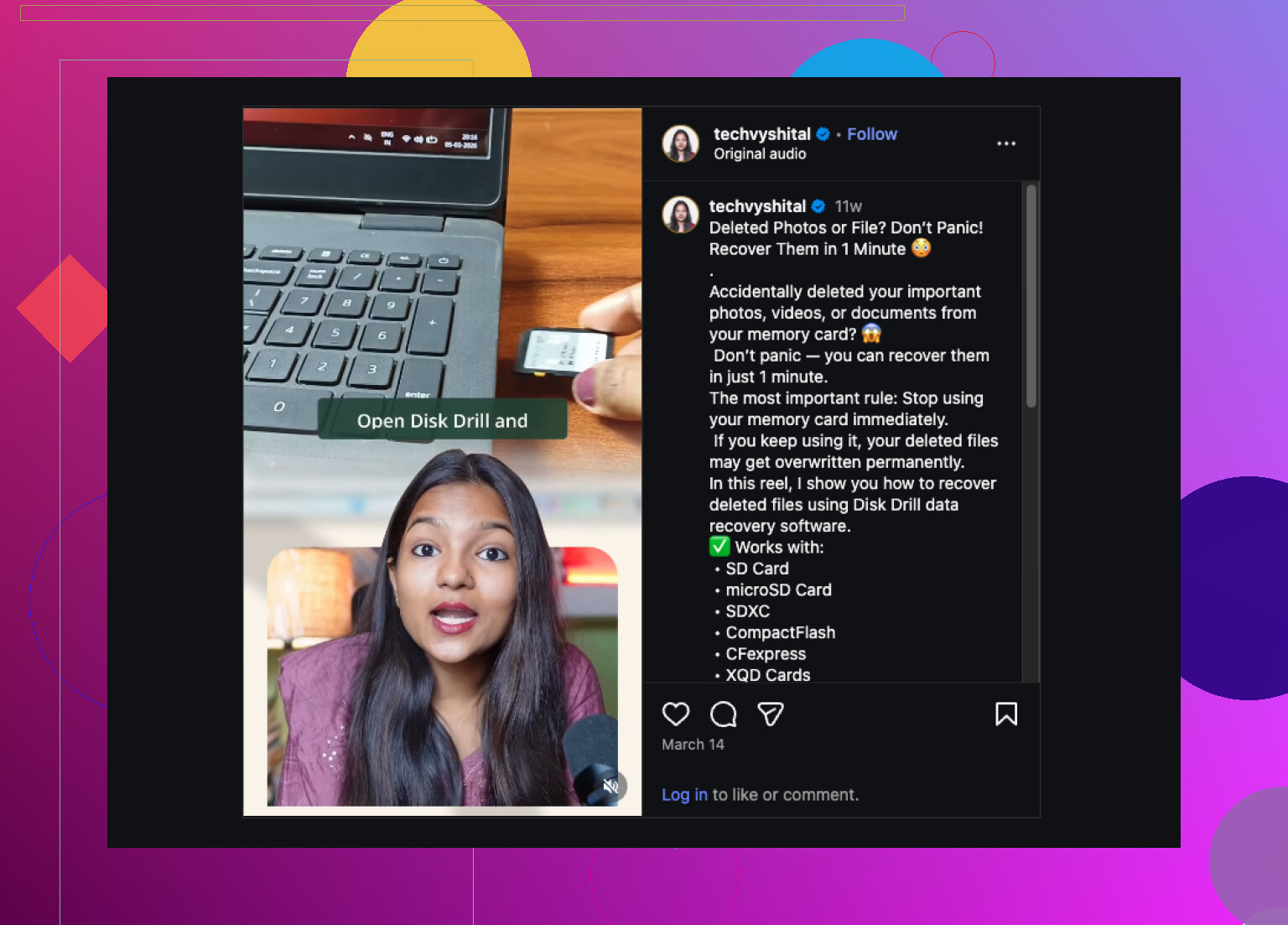
I mostly agree with @mikeappsreviewer and @caminantenocturno, but one thing I’d add from my own mess: sometimes the “missing” videos are not actually deleted, they’re just half-copied or the index got mangled during transfer. In that case, recovery software that can preview clips before restoring is way more useful than just dumping thousands of found files into a folder.
Disk Drill worked best for me on an SD card from a Sony cam, mainly because it found the actual video fragments and let me sort through them without total chaos. I tried Recuva first because people always say “start free,” and honestly it was kinda useless for camera video. Fine for docs, not great for busted SD footage.
I also slightly disagree with using chkdsk anywhere near this too early. Even on a clone, I only use it if I’m dealing with obvious file system weirdness and already have an image saved. Otherwise it can “fix” things in a way that helps Windows more than your videos.
If recovered files won’t open, check VLC’s repair attempt for AVI or remux the MP4/MOV with ffmpeg before assuming it’s dead. That saved me once.
Also, if you want more real-world SD card video recovery advice from users, that thread is worth reading.

One angle I think @caminantenocturno, @voyageurdubois, and @mikeappsreviewer only touched lightly: check whether the videos are actually complete but just missing the camera’s sidecar/index structure. That happens a lot with Sony, Canon, Panasonic folder trees. People see “missing clips” when the real issue is the app or OS no longer recognizing the metadata layout.
What I’d try before going too wild:
- Open the card and look for hidden folders like PRIVATE, DCIM, AVCHD, MP_ROOT, CLIP
- Copy the entire folder structure to a hard drive
- Test playback from within the copied structure using VLC or the camera maker’s import tool
I slightly disagree with the idea that every bad transfer means straight to file carving. Sometimes carving gives you detached video chunks when the original full clip is still there but referenced badly.
If you do need recovery software, Disk Drill is a solid pick, mainly because its video handling is less chaotic than a lot of the cheaper tools.
Disk Drill pros:
- Good preview support
- Easier to sort recovered video
- Better with damaged card file systems than basic undelete tools
- Advanced Camera Recovery can help with fragmented footage
Disk Drill cons:
- Paid if you want full recovery
- Deep scans can take a while
- Preview is not a guarantee the final file is perfect
My rough ranking from actual frustration level:
- Disk Drill for easiest serious attempt
- R-Studio if you want more control
- PhotoRec only if you accept ugly output and lost filenames
If files recover but won’t open, I’d try remuxing first with ffmpeg before full repair tools. Fast test, sometimes enough.